


ryugon
Minamiuonuma / 南魚沼
Discover the seasonal rhythm of life in Snow Country. Settled for over 8000 years, this rich land en
The Story
Discover the seasonal rhythm of life in Snow Country. Settled for over 8000 years, this rich land endures not despite the heavy winters snows but because of them. During the long winter, the accumulated snow grows tall enough to dwarf a man, but never freezes to a hard iciness in temperatures hovering around zero. In spring, the downy drifts protect the shoots of wild vegetables until foragers pluck them up, tender and sweet. In summer, snow preserved under thatch provides a cooling respite from summer heat. While in autumn, soil that was allowed to rest in earnest for half the year bursts into life with a bounteous harvest.
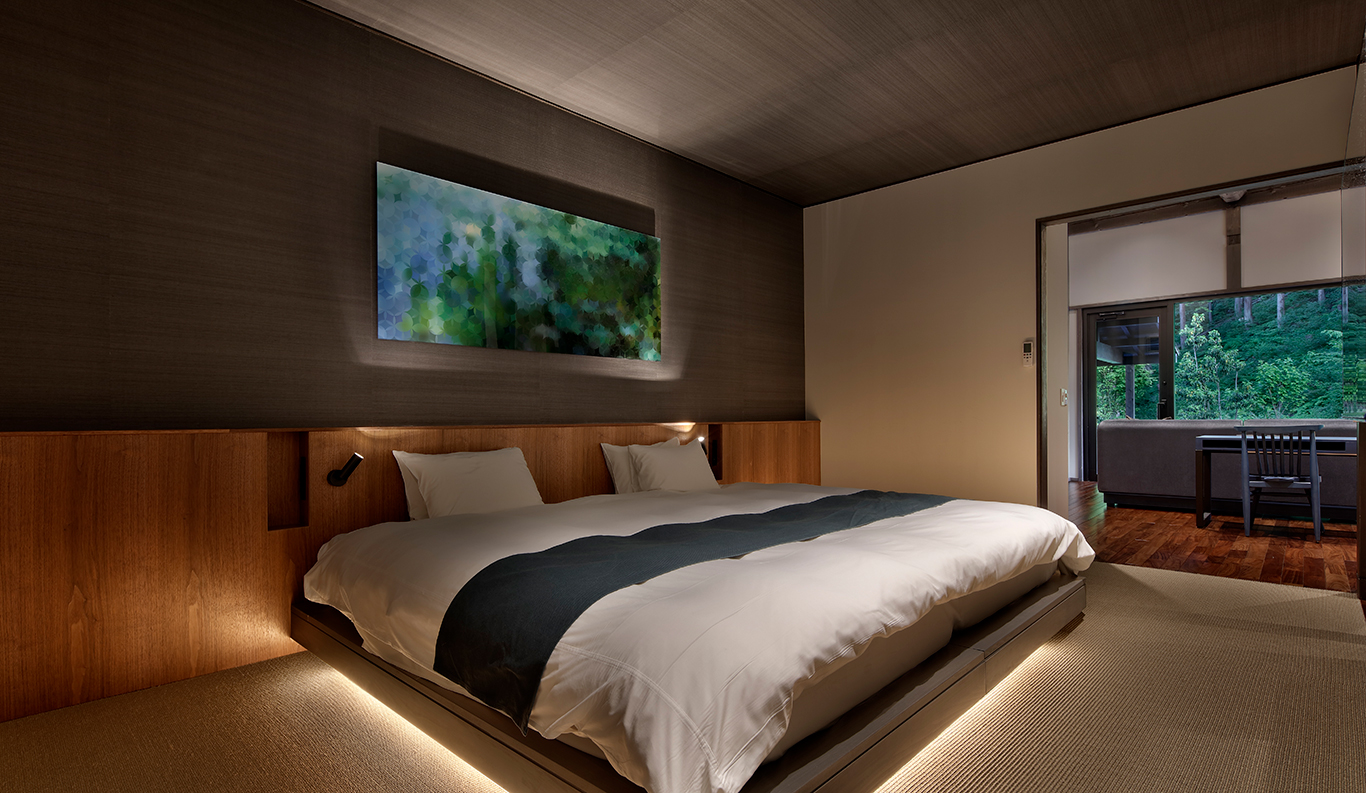
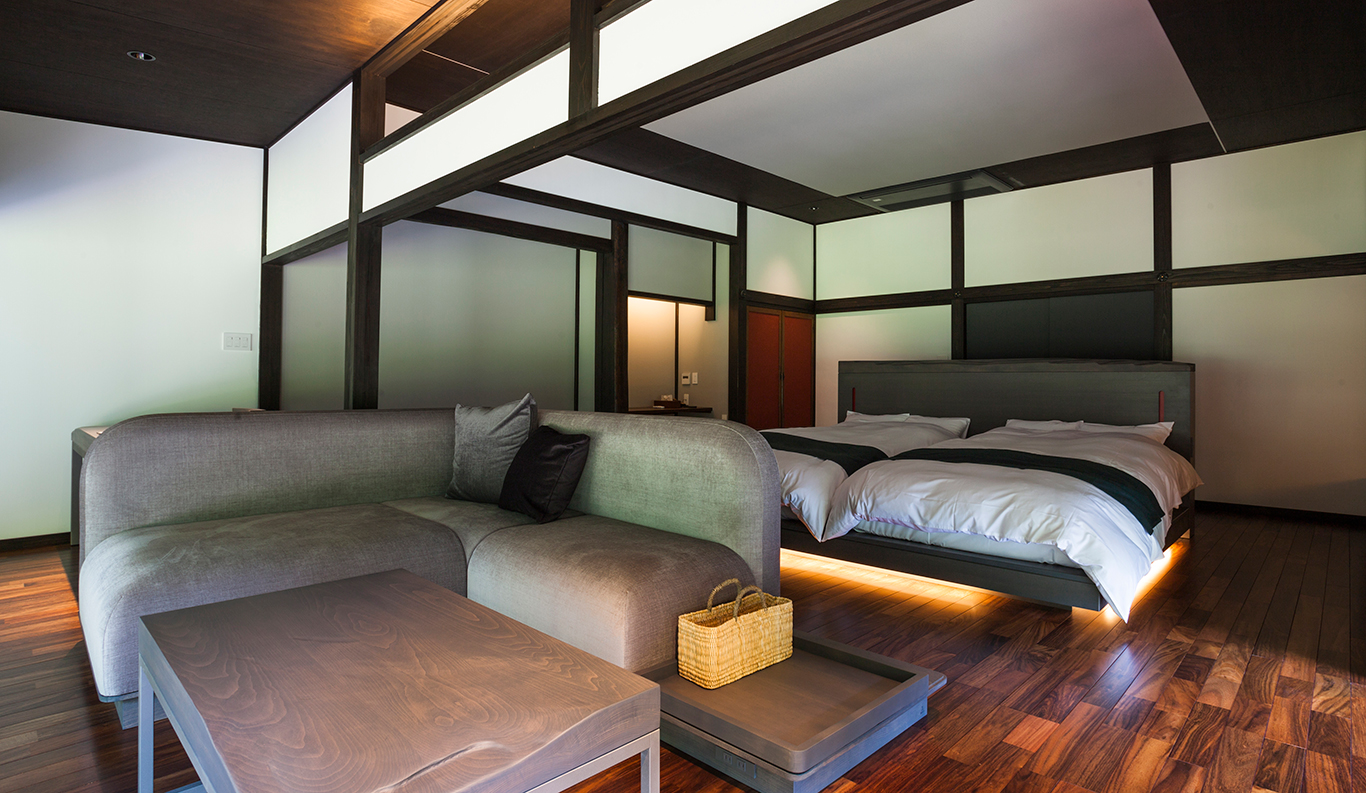
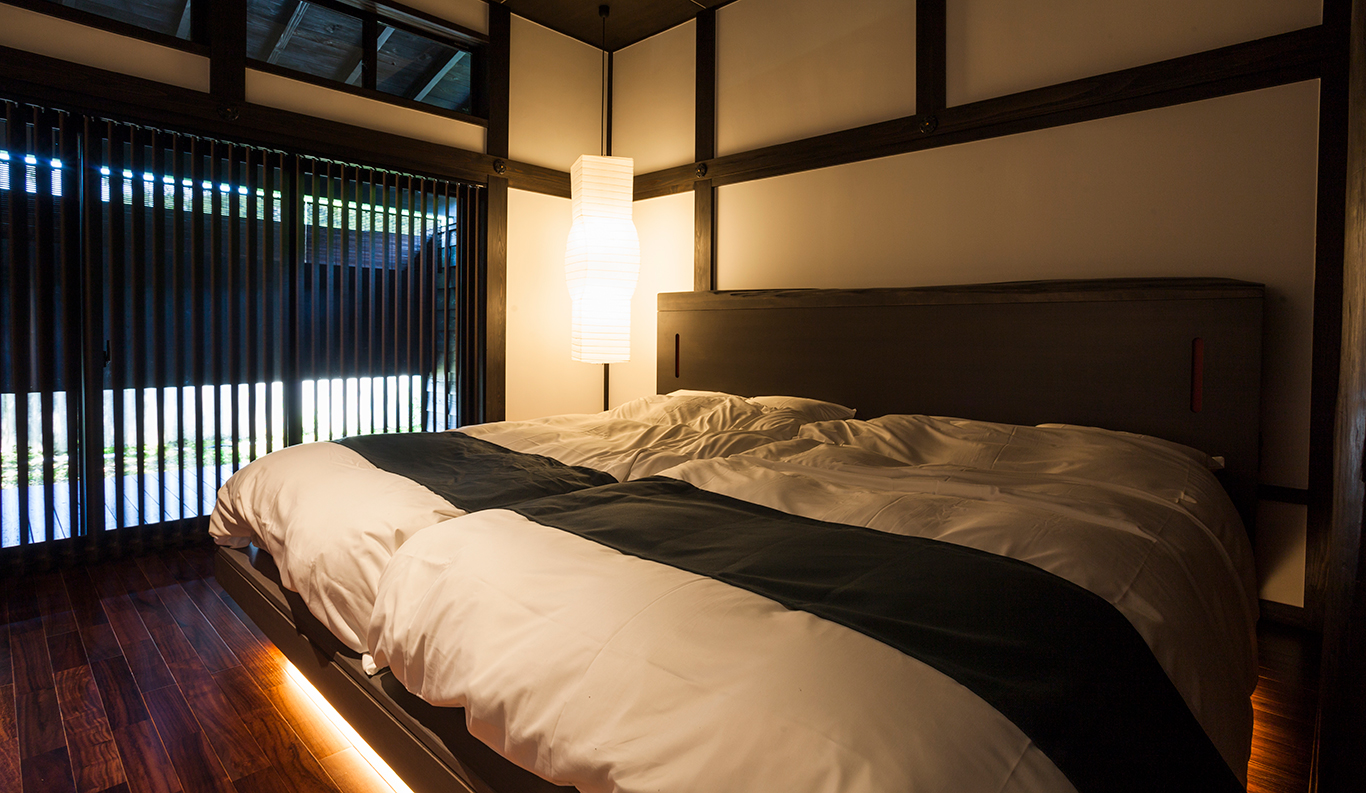
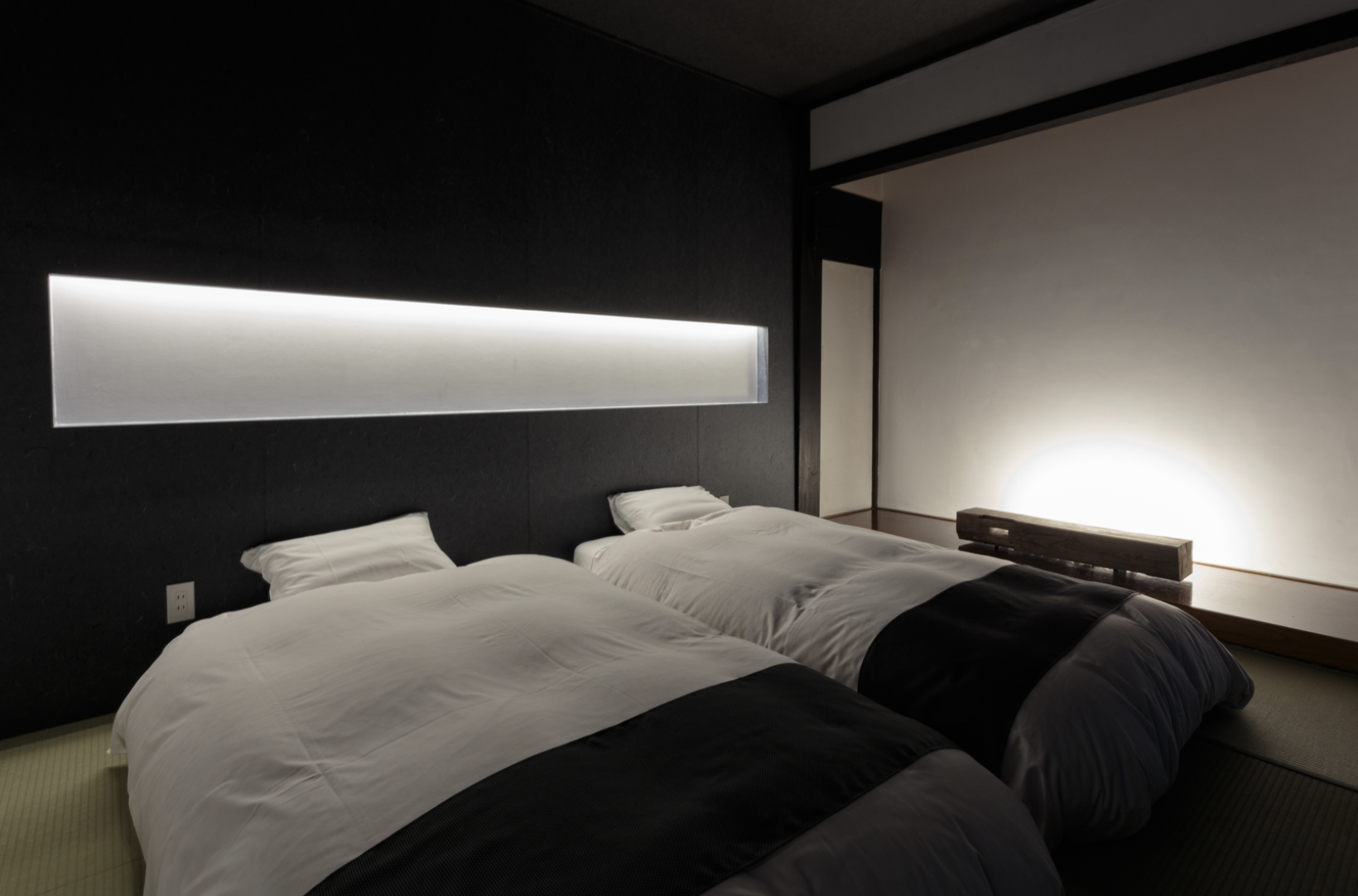
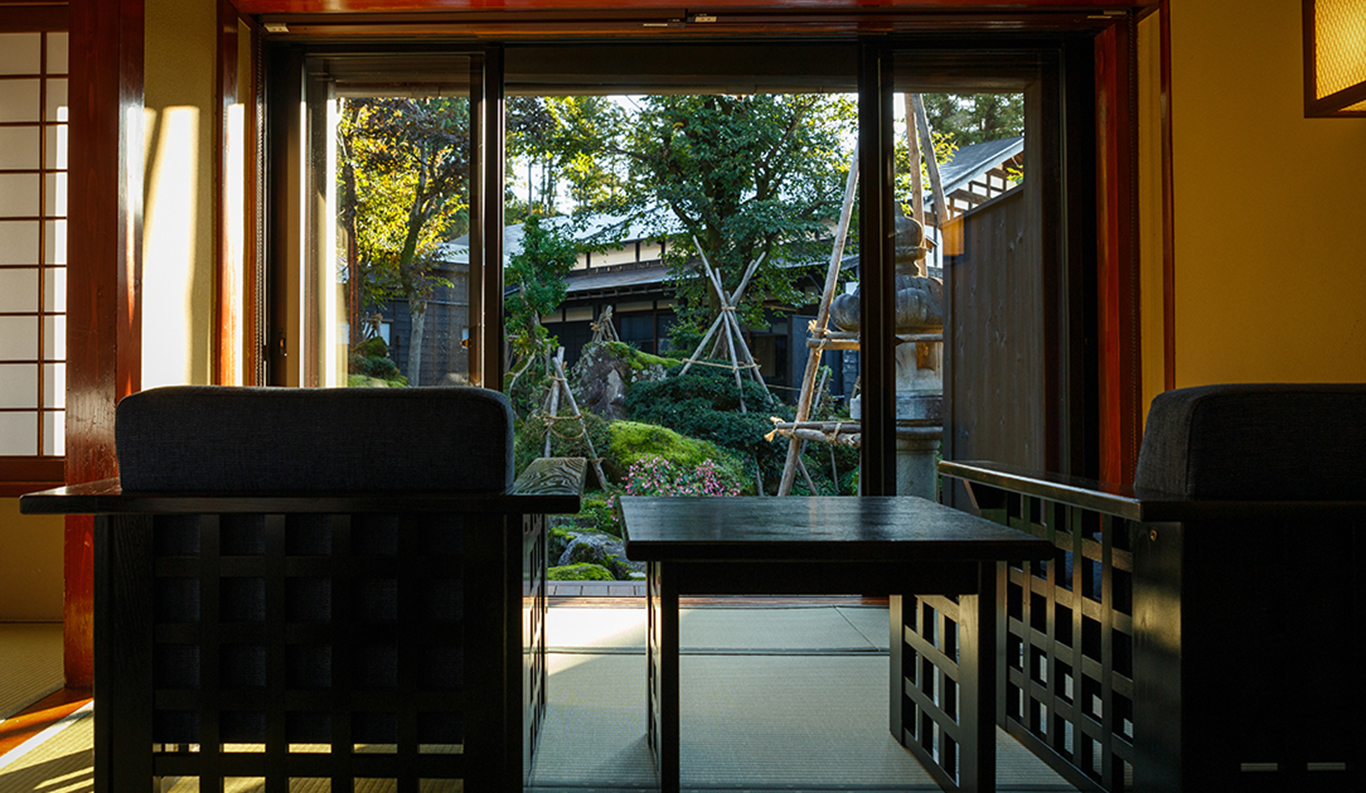
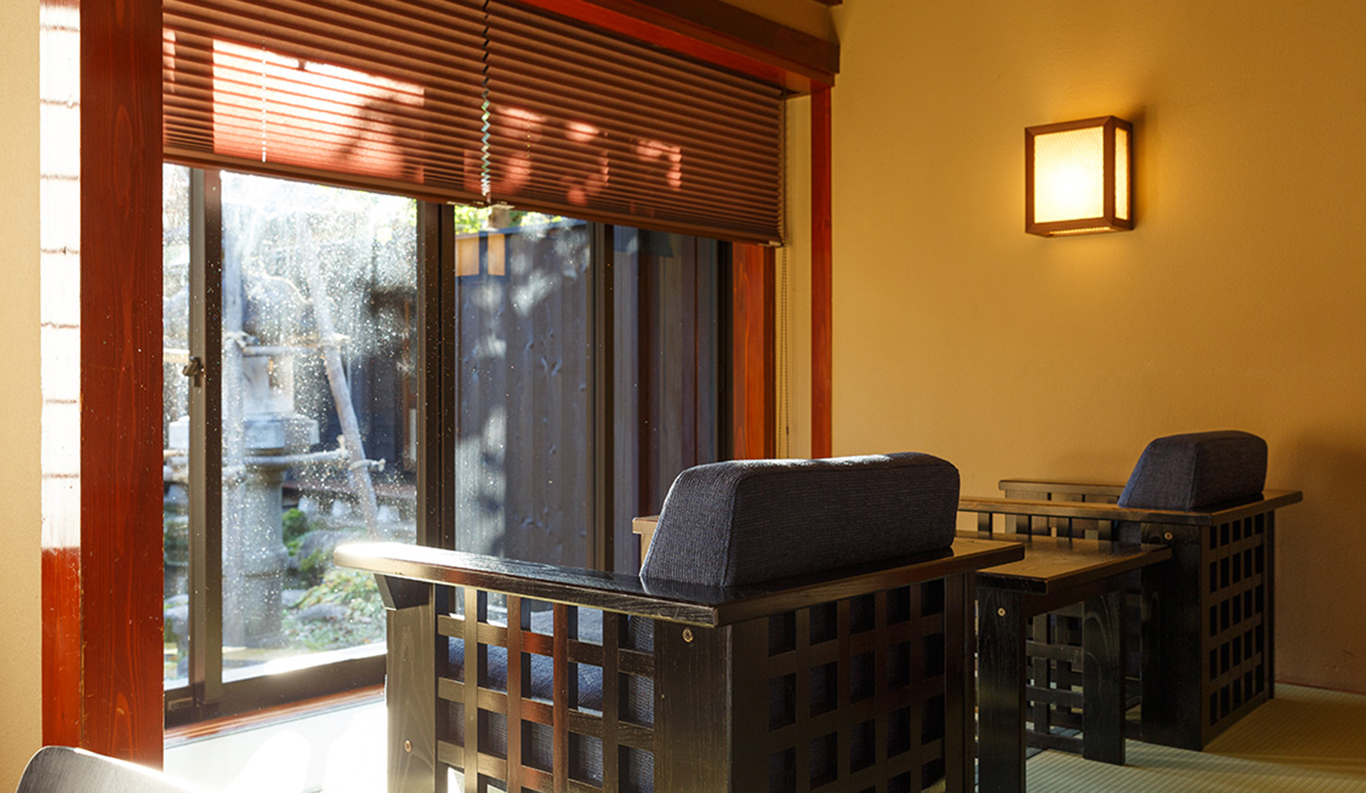
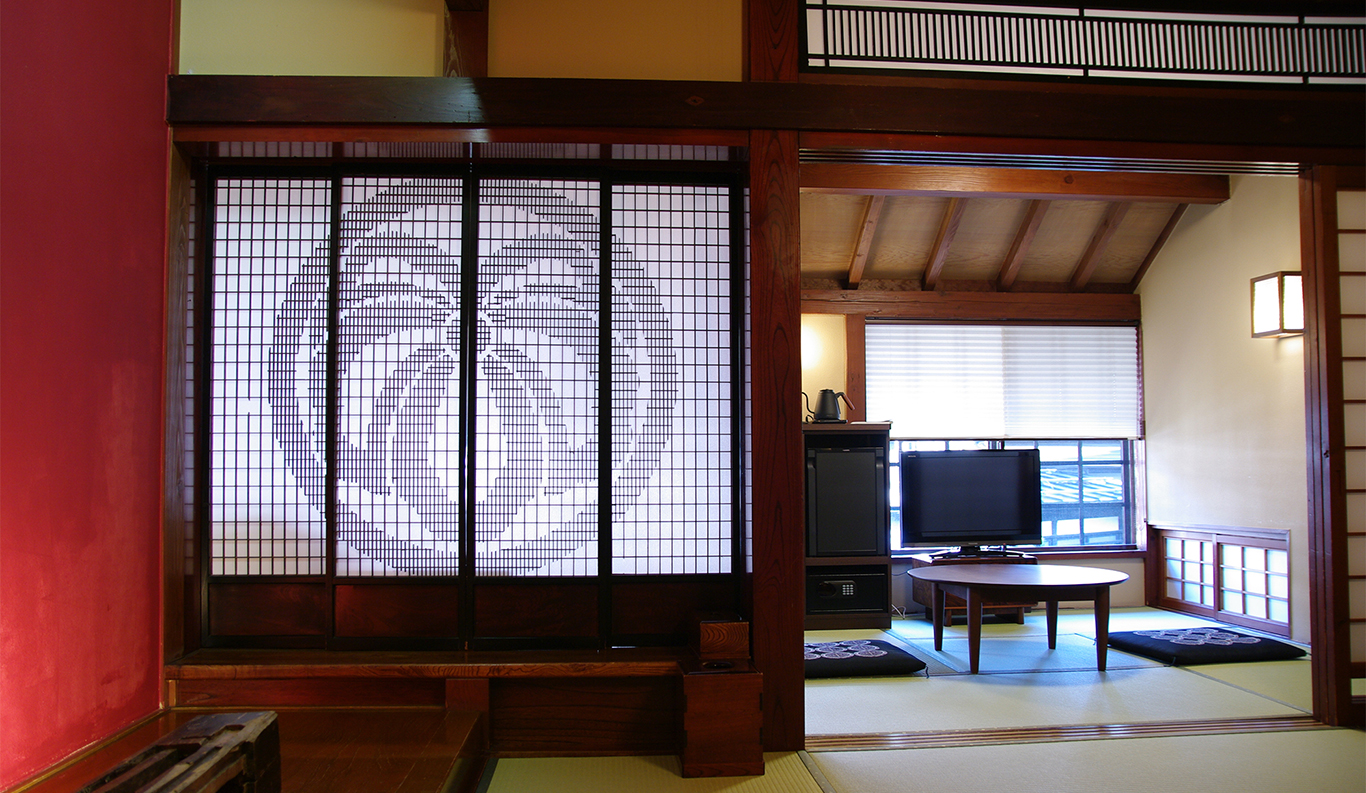
Ryugon is a ryokan with Snow Country in its DNA. It's 29 rooms are situated in an early 19th-century farmhouse that has been lovingly renovated to preserve the most beautiful elements of the traditional architecture, including a sitting room registered as an Important Cultural Property, while adding amenities that meet the highest standards of modern luxury. A hyper-local ethos transforms timeless regional recipes into innovative fine dining and stocks the cellars with a treasure trove of Niigata-made libations, which the passionate local staff can tell you all about. Even the modern furniture nods subtly to the life-giving snow, with chairs resembling the local igloos known as kamakura and headboards slanting off to one side like a wind-blown drift.
Nestled between the steep slopes of Sakado Mountain and the picturesque farmlands around Untouan Temple, the property is well situated both for enjoying modern outdoor sports and exploring the time-honored practices that have sustained and nourished this community.
Enjoy a taste of a highly unique regional culture, steeped in long tradition and rich terroir.
Ryugon is a ryokan with Snow Country in its DNA. It's 29 rooms are situated in an early 19th-century farmhouse that has been lovingly renovated to preserve the most beautiful elements of the traditional architecture, including a sitting room registered as an Important Cultural Property, while adding amenities that meet the highest standards of modern luxury. A hyper-local ethos transforms timeless regional recipes into innovative fine dining and stocks the cellars with a treasure trove of Niigata-made libations, which the passionate local staff can tell you all about. Even the modern furniture nods subtly to the life-giving snow, with chairs resembling the local igloos known as kamakura and headboards slanting off to one side like a wind-blown drift.
Nestled between the steep slopes of Sakado Mountain and the picturesque farmlands around Untouan Temple, the property is well situated both for enjoying modern outdoor sports and exploring the time-honored practices that have sustained and nourished this community.
Enjoy a taste of a highly unique regional culture, steeped in long tradition and rich terroir.
ROOMS
-
 VILLA
Villa Suite Terrace
Villa Suite Terrace was added in September 2022. This suite has a water basin in front of the p…
VILLA
Villa Suite Terrace
Villa Suite Terrace was added in September 2022. This suite has a water basin in front of the p…
-
VILLA
Villa Suite Premium
Part of a 2019 extension into the sprawling Japanese-style pond and garden, the spacious villa …
-
VILLA
Villa Suite Standard
The standard villa suite still has the same exclusive location, serene comfort, and eco-conscio…
-
ROOM
CLASSIC Premium
Classic rooms in the main building offer a more traditional ryokan experience. The deluxe class…
-
ROOM
CLASSIC Standard A
Classic rooms in the main building offer a more traditional ryokan experience. The standard roo…
-
ROOM
CLASSIC Standard B
Classic rooms in the main building offer a more traditional ryokan experience. The standard roo…
-
ROOM
CLASSIC Standard C
Classic rooms in the main building offer a more traditional ryokan experience. The standard roo…
-
VILLA
Villa Suite Terrace
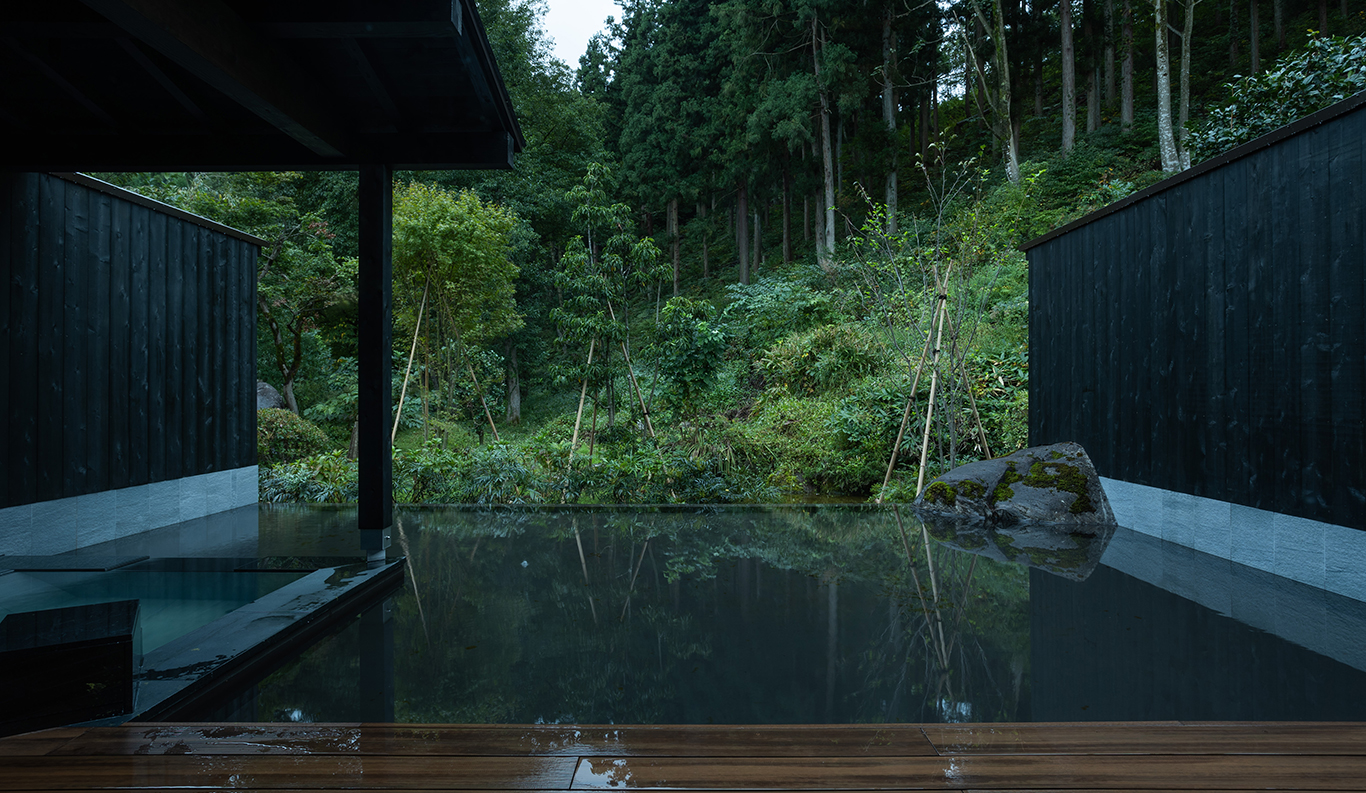
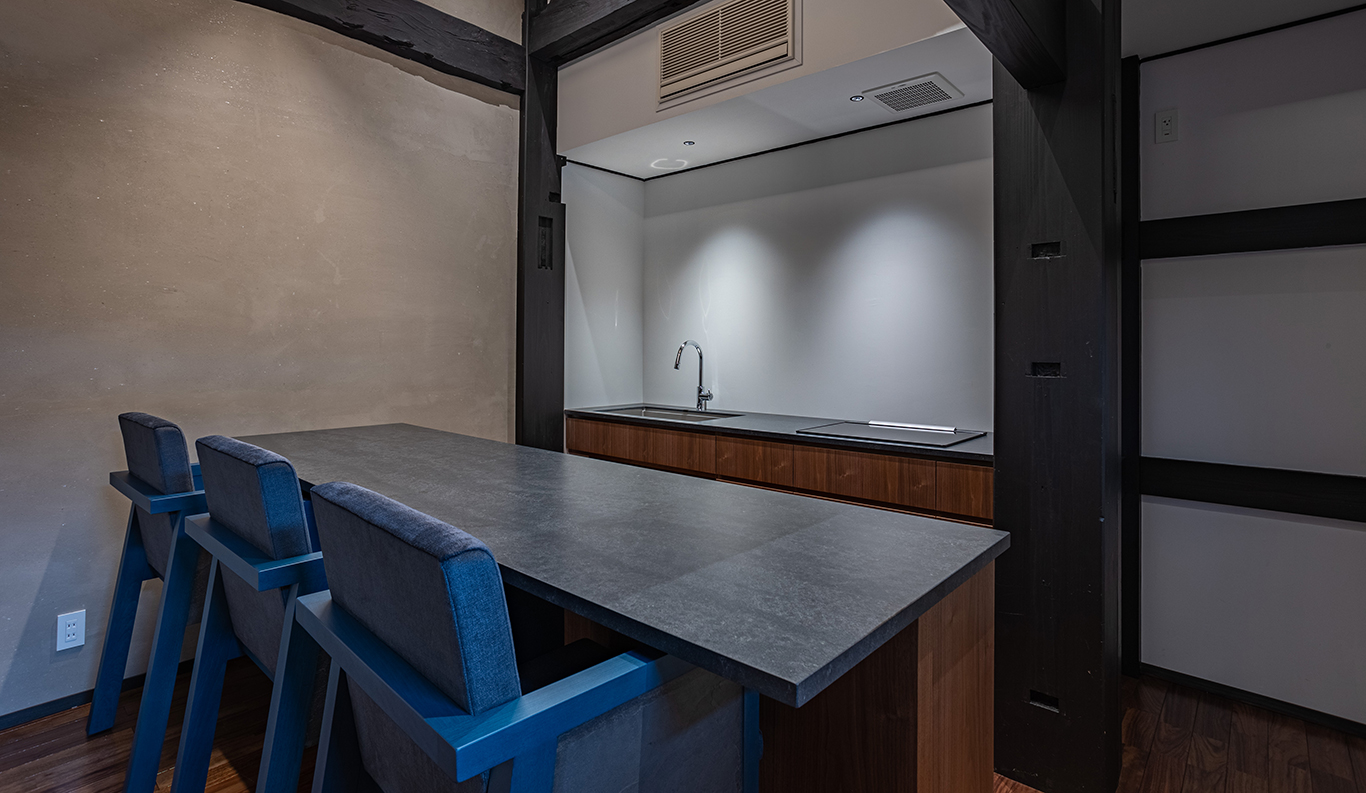
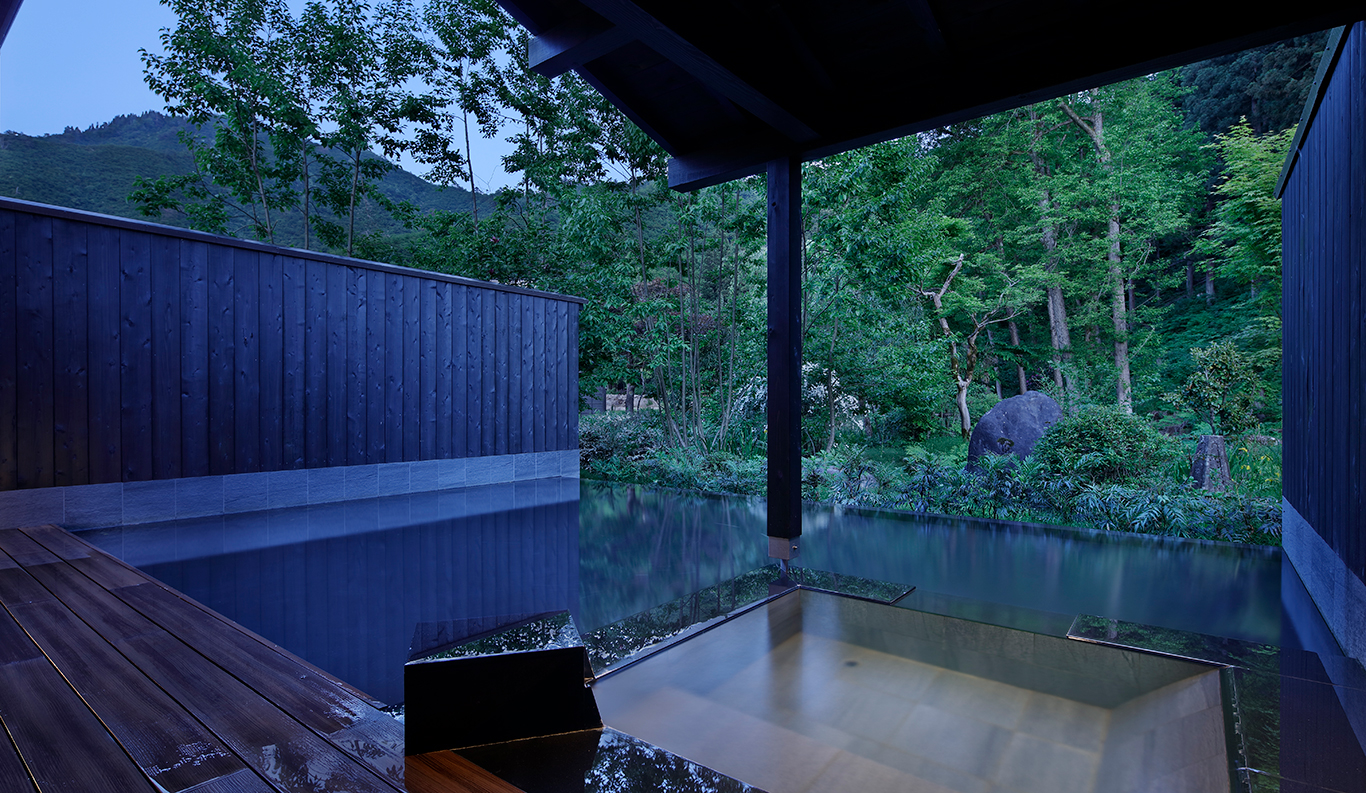
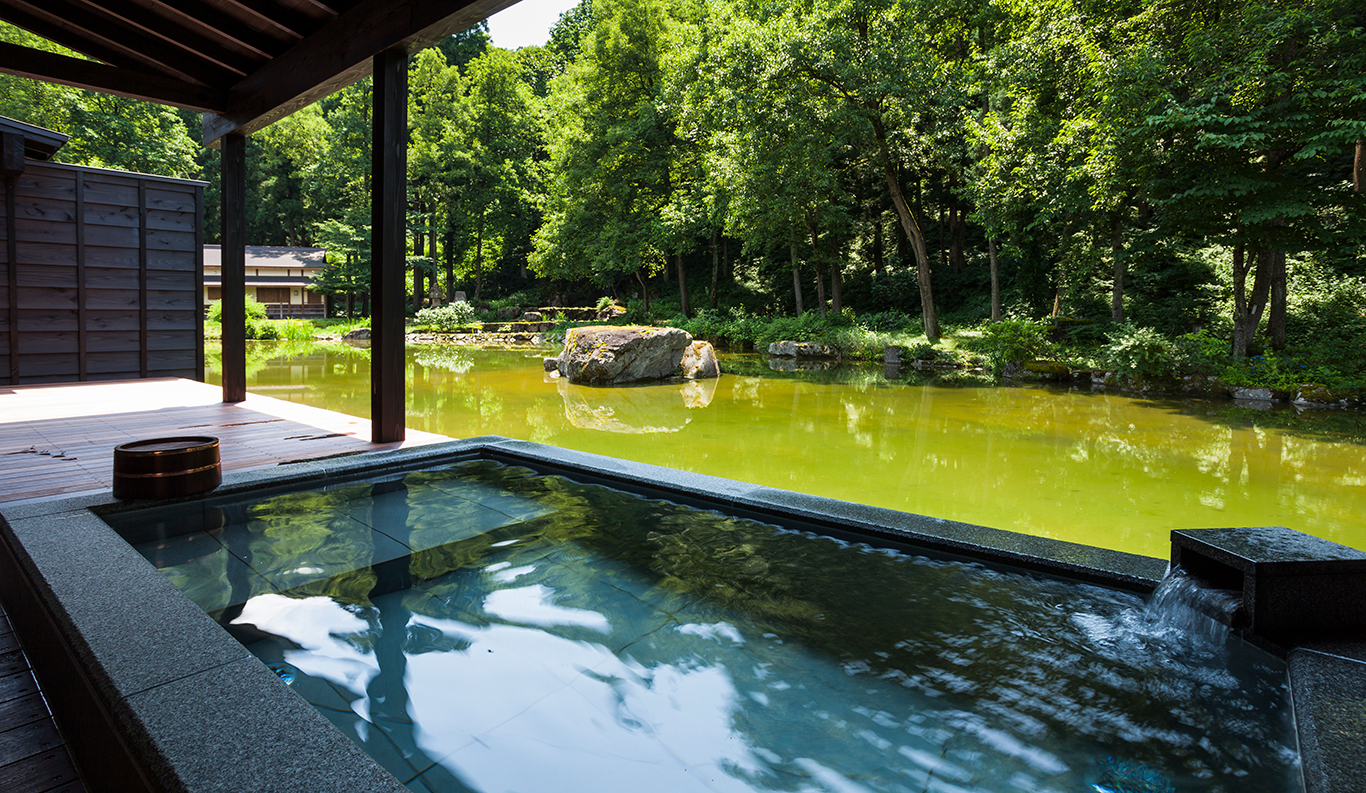
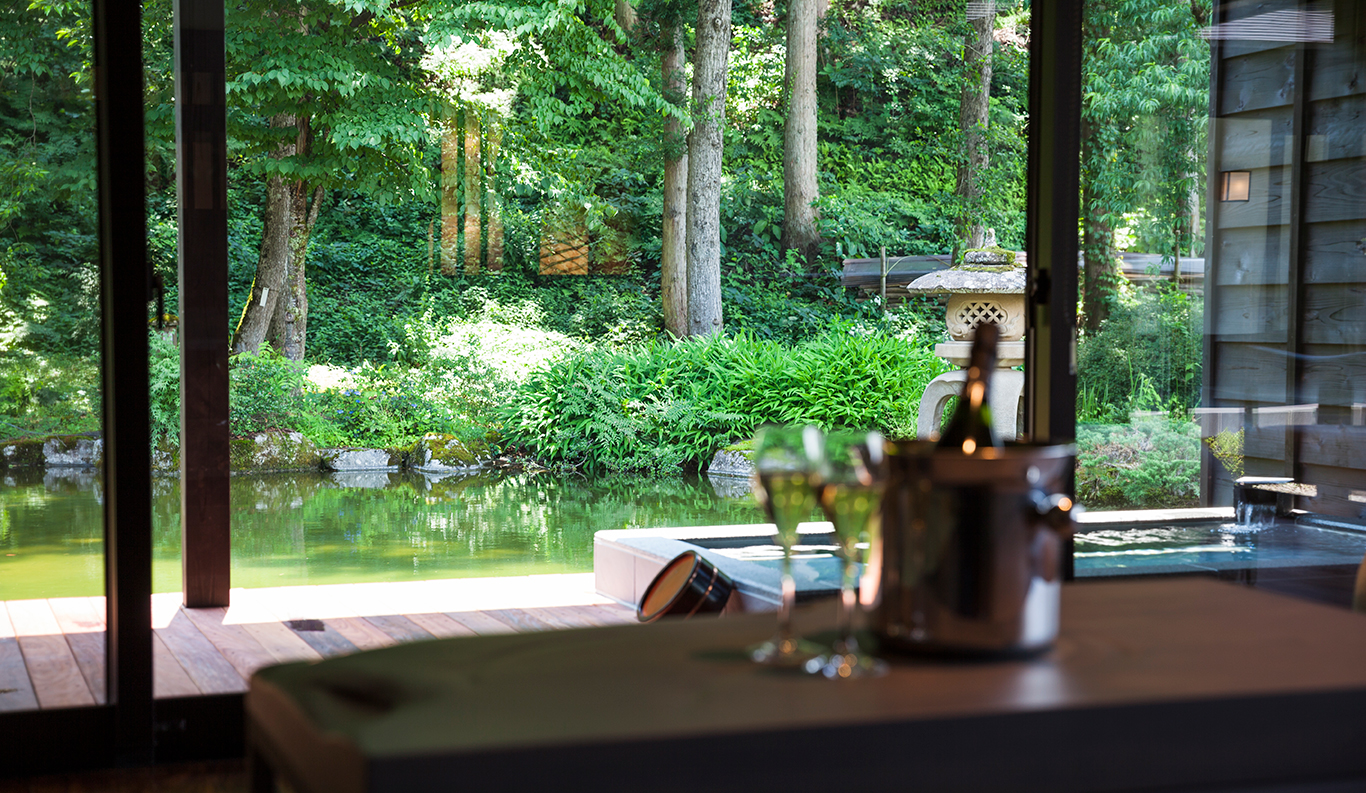
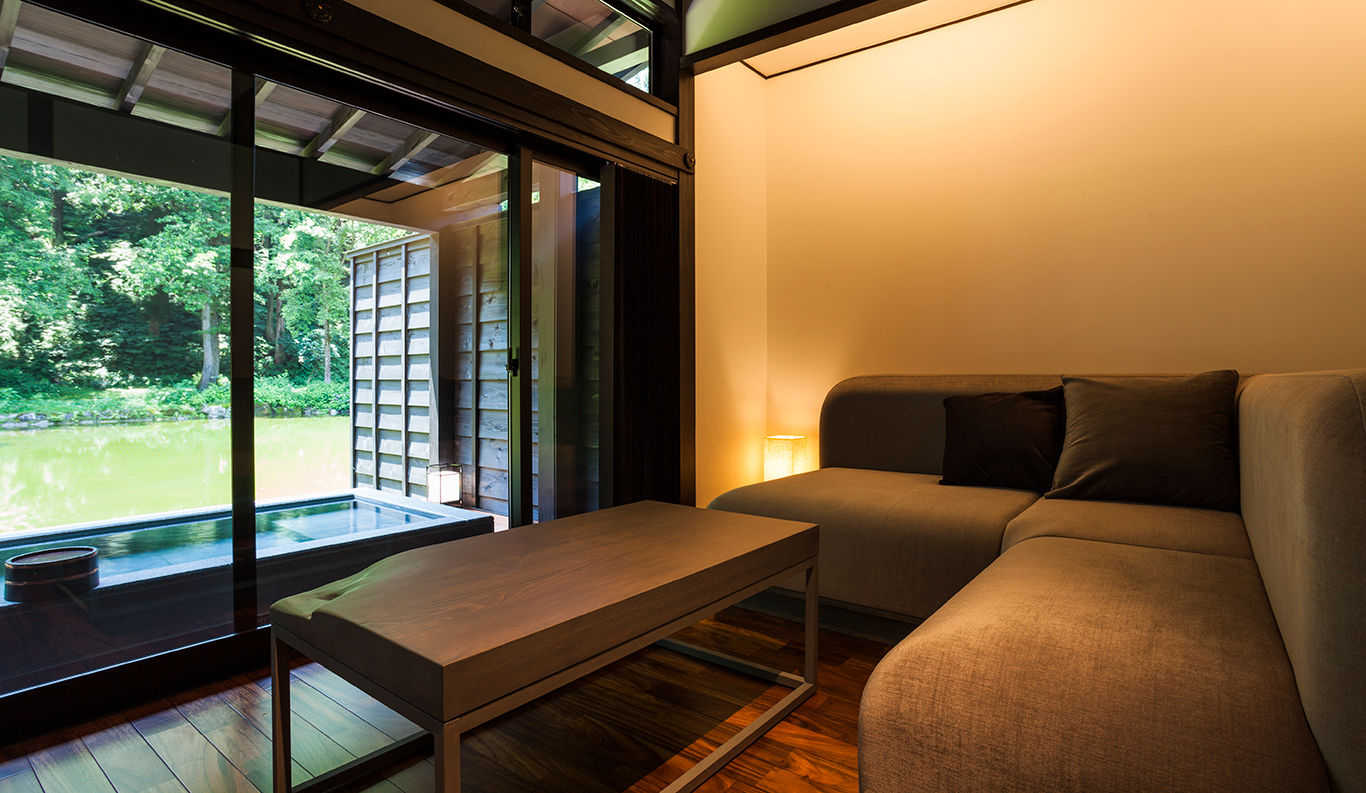
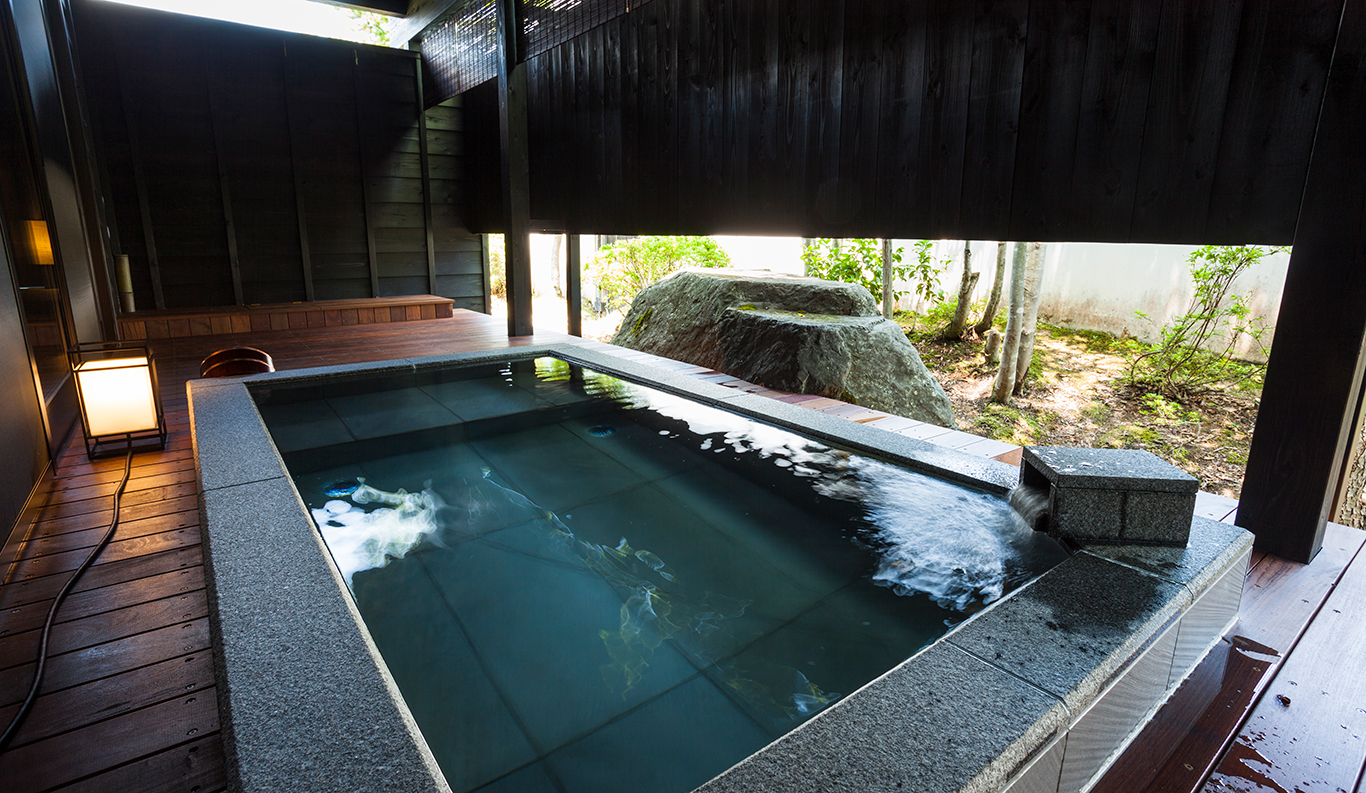
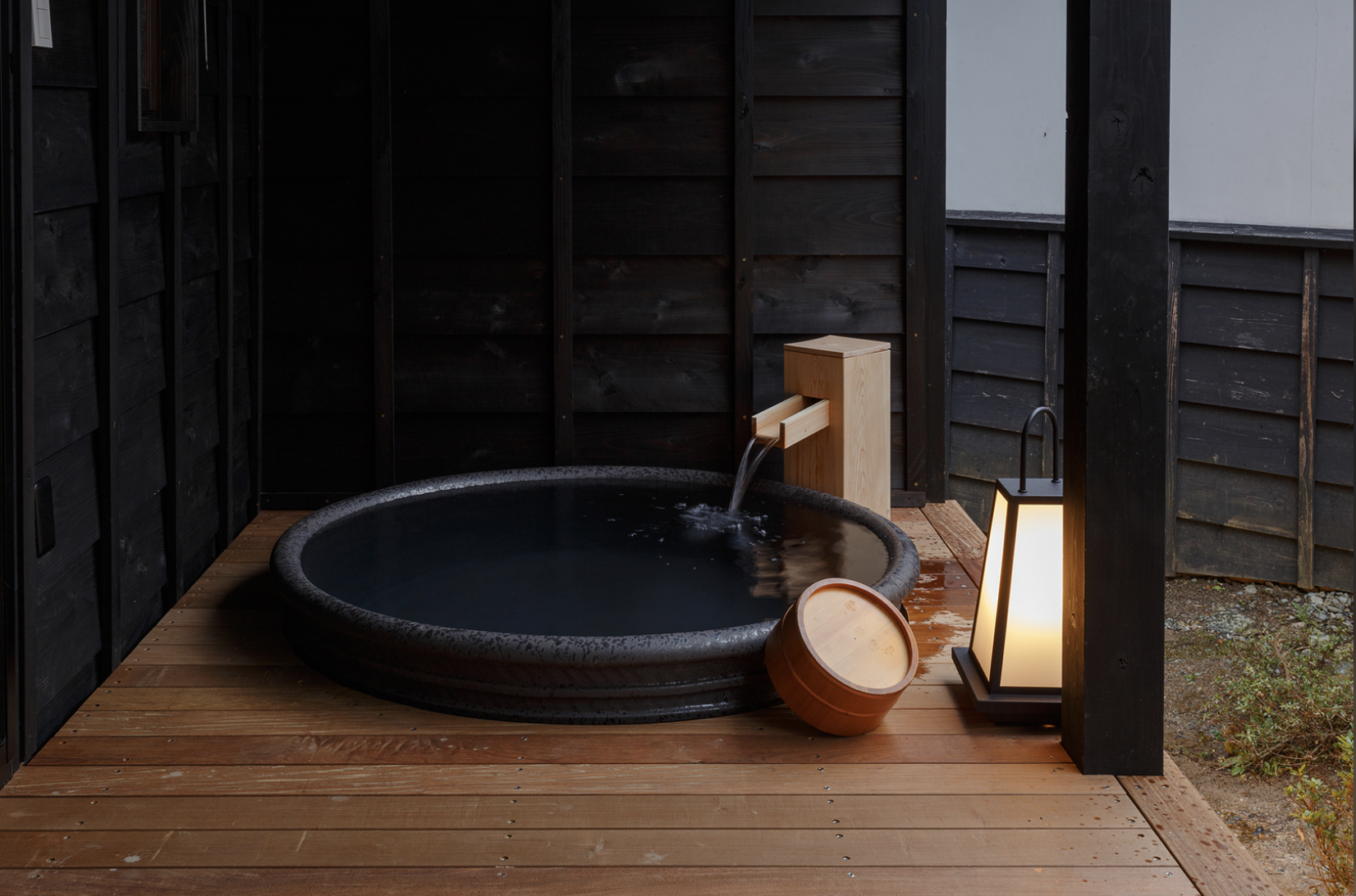
1-4 115 sqm Private Open-air Bath Bed Villa Suite Terrace was added in September 2022. This suite has a water basin in front of the private open-air bath that vividly reflects the nature of Mt. Sakado. In addition, the hot spring water supplied to its open-air bath is made to flow directly from the source. Experience the slow flow of time in a space where the entire room feels like a terrace. Also, this suite has a private kitchen. If you wish, ryugon can arrange private dining with a chef visiting your room. Please enjoy this new style of Villa Suite. ¥ 55,550~ per person (based on double occupancy) *Room rates at the Ryokan vary depending on the season and booking status. Therefore, we provide an estimated amount as a reference. REQUEST THIS ROOM -
VILLA
Villa Suite Premium
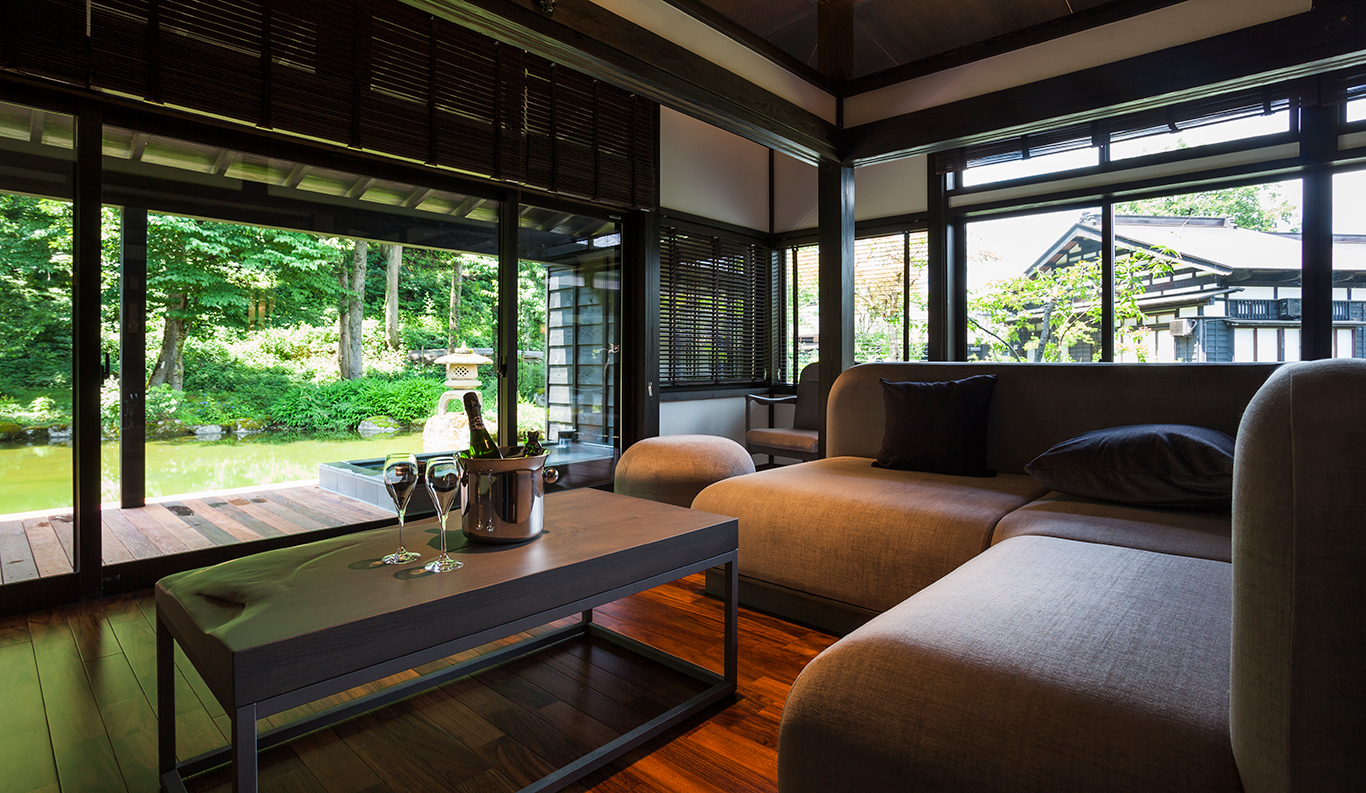
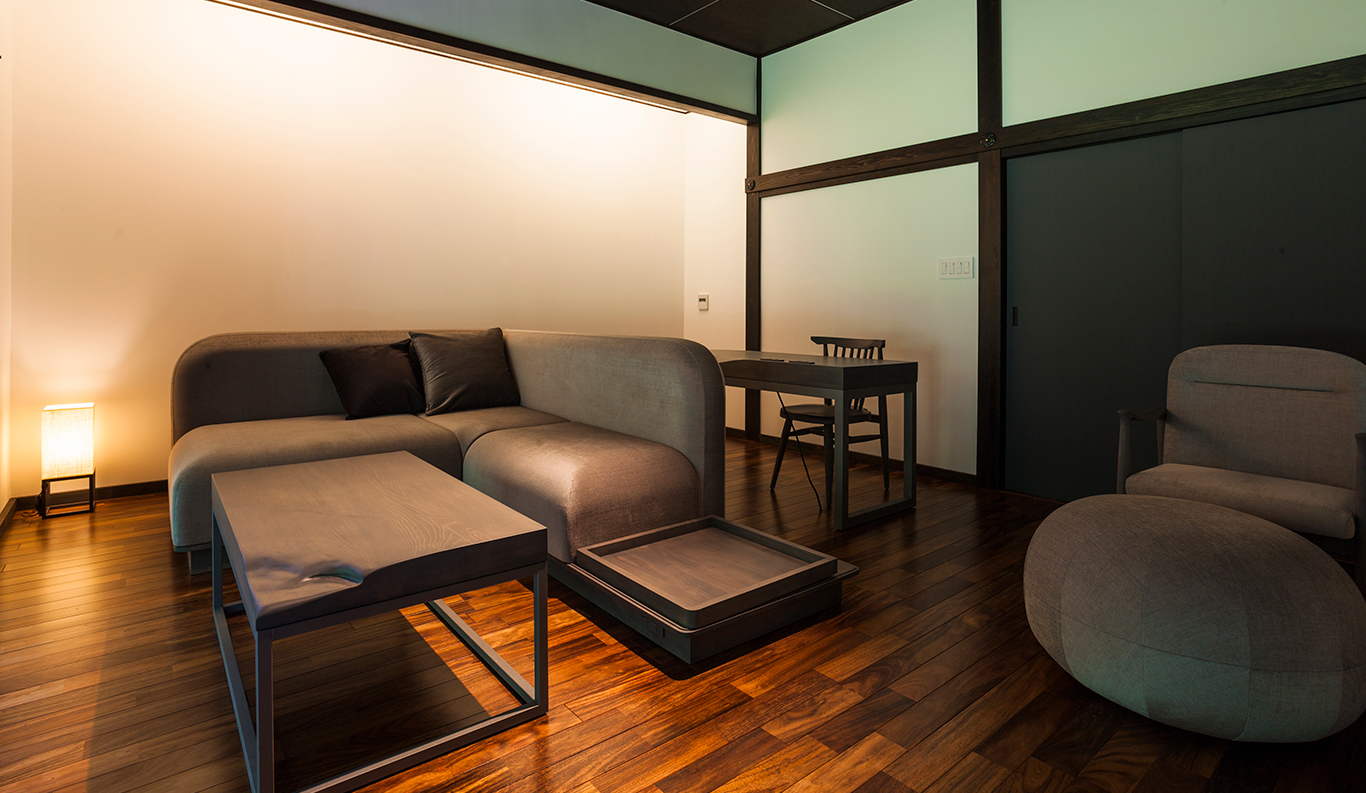
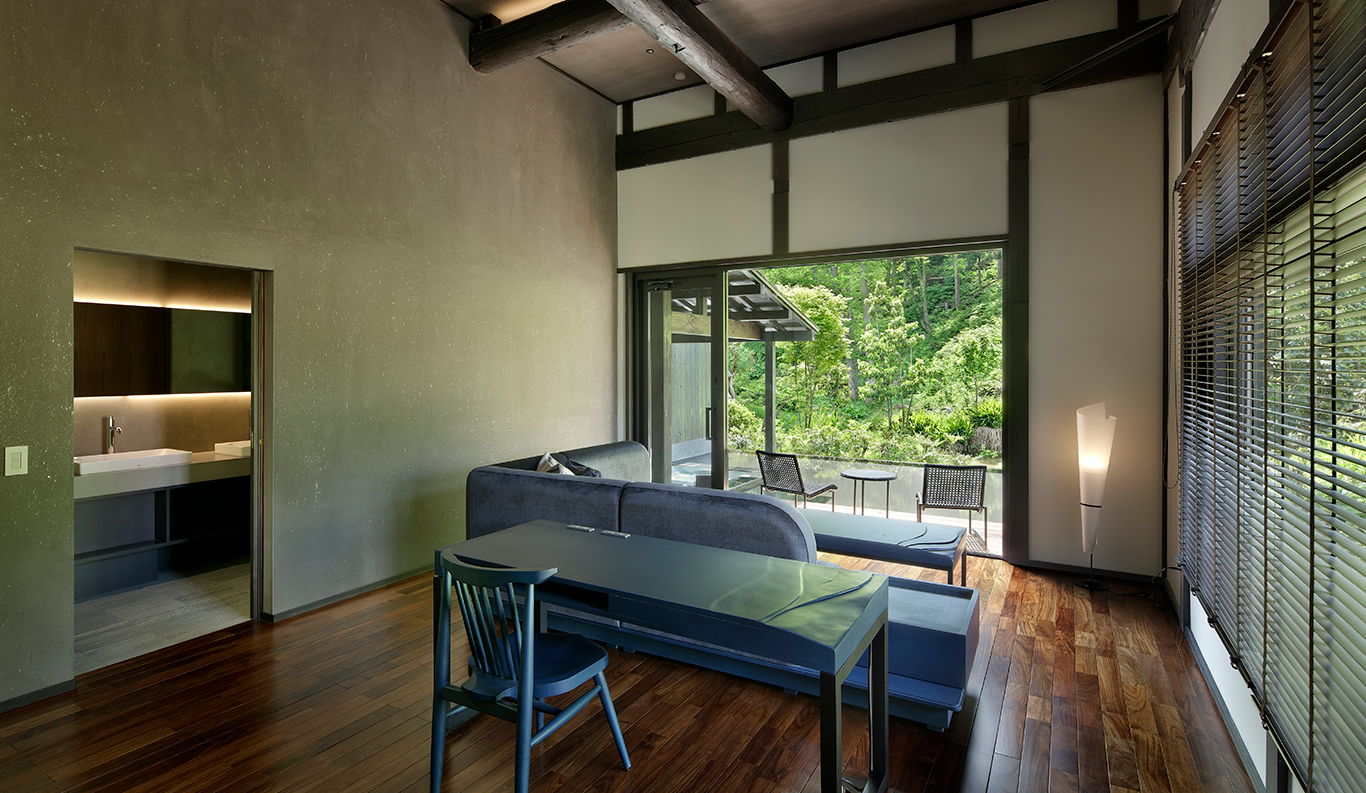
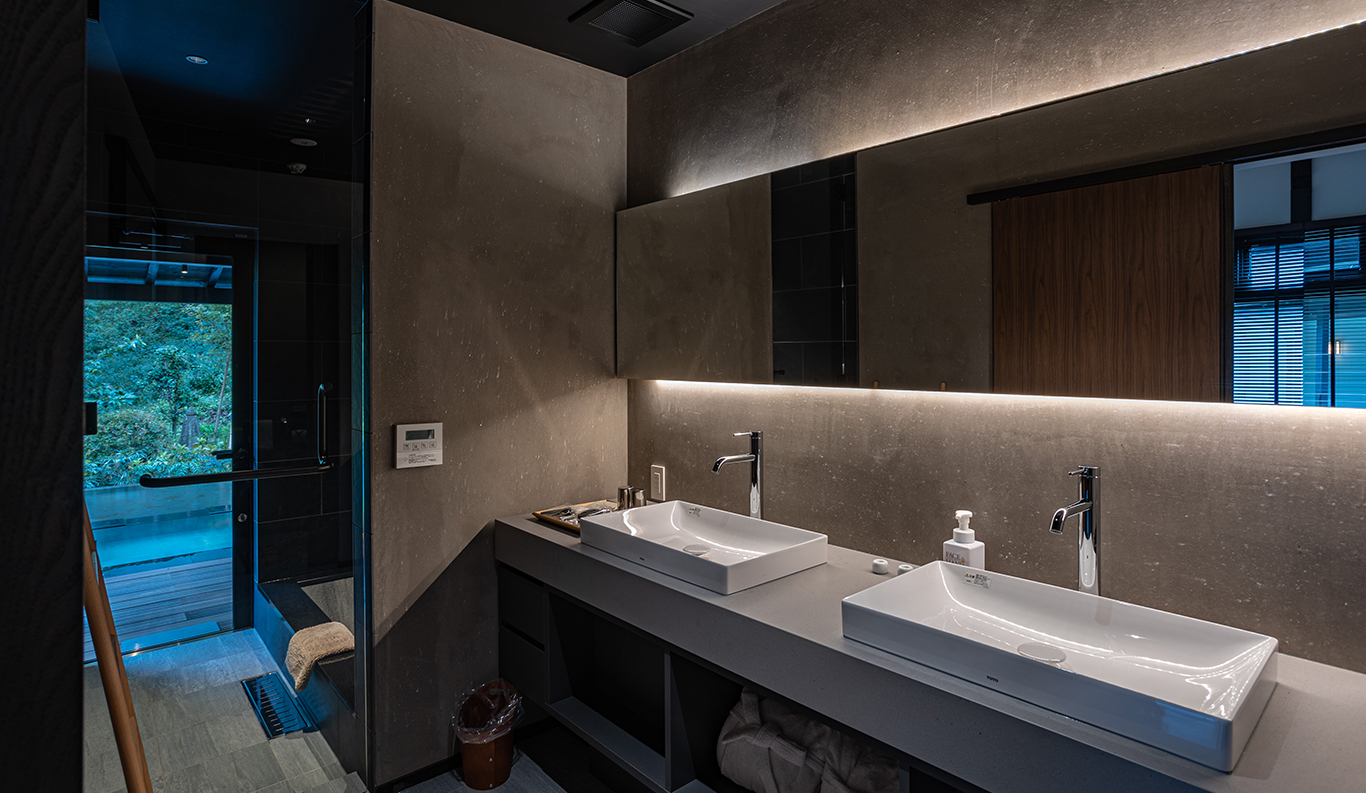
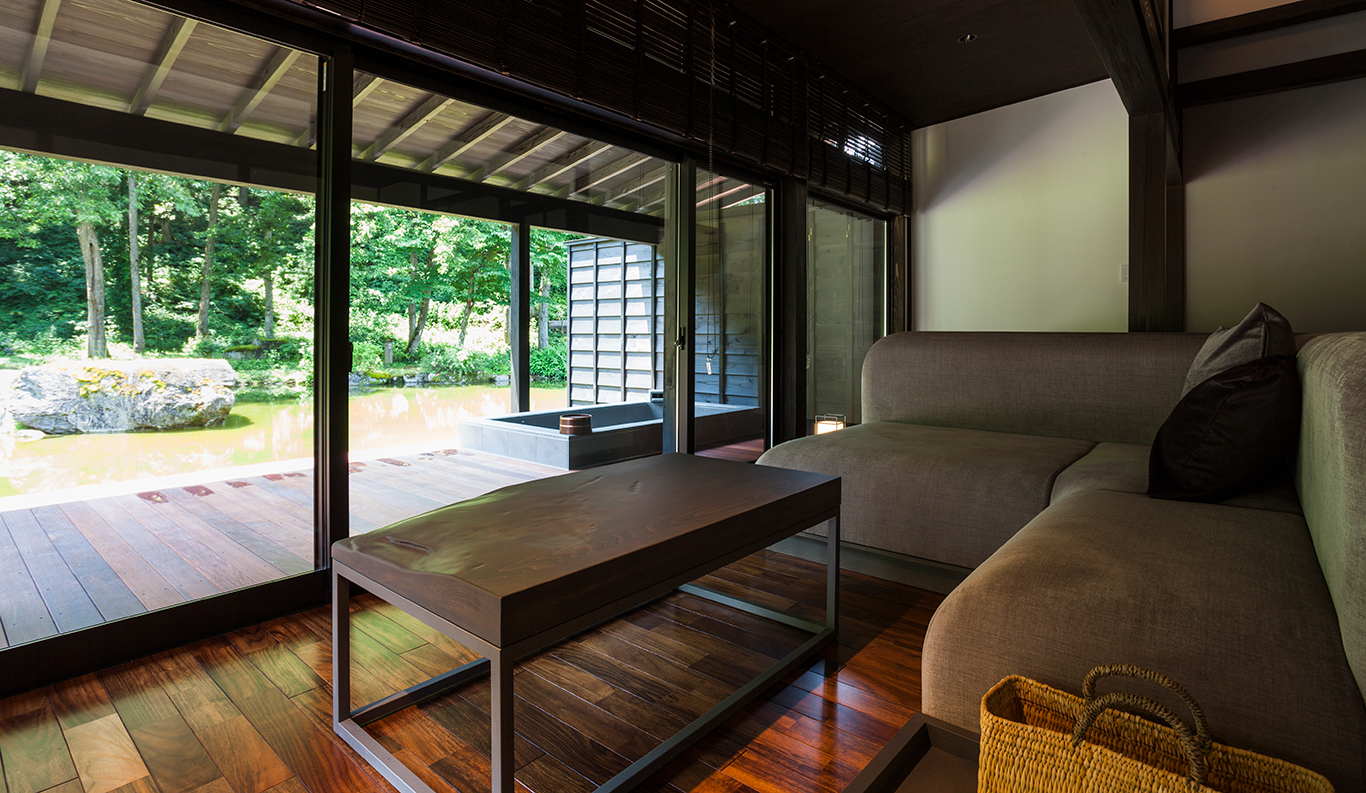
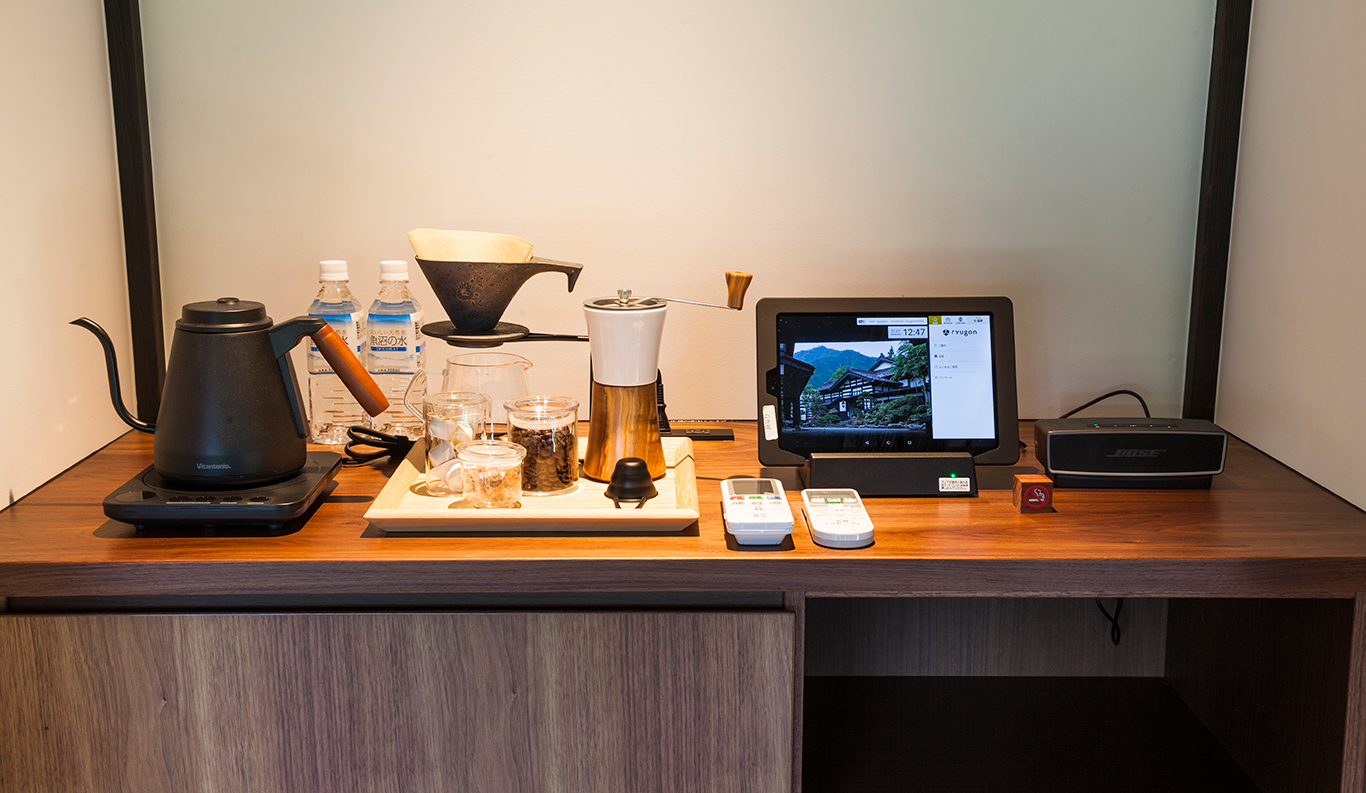
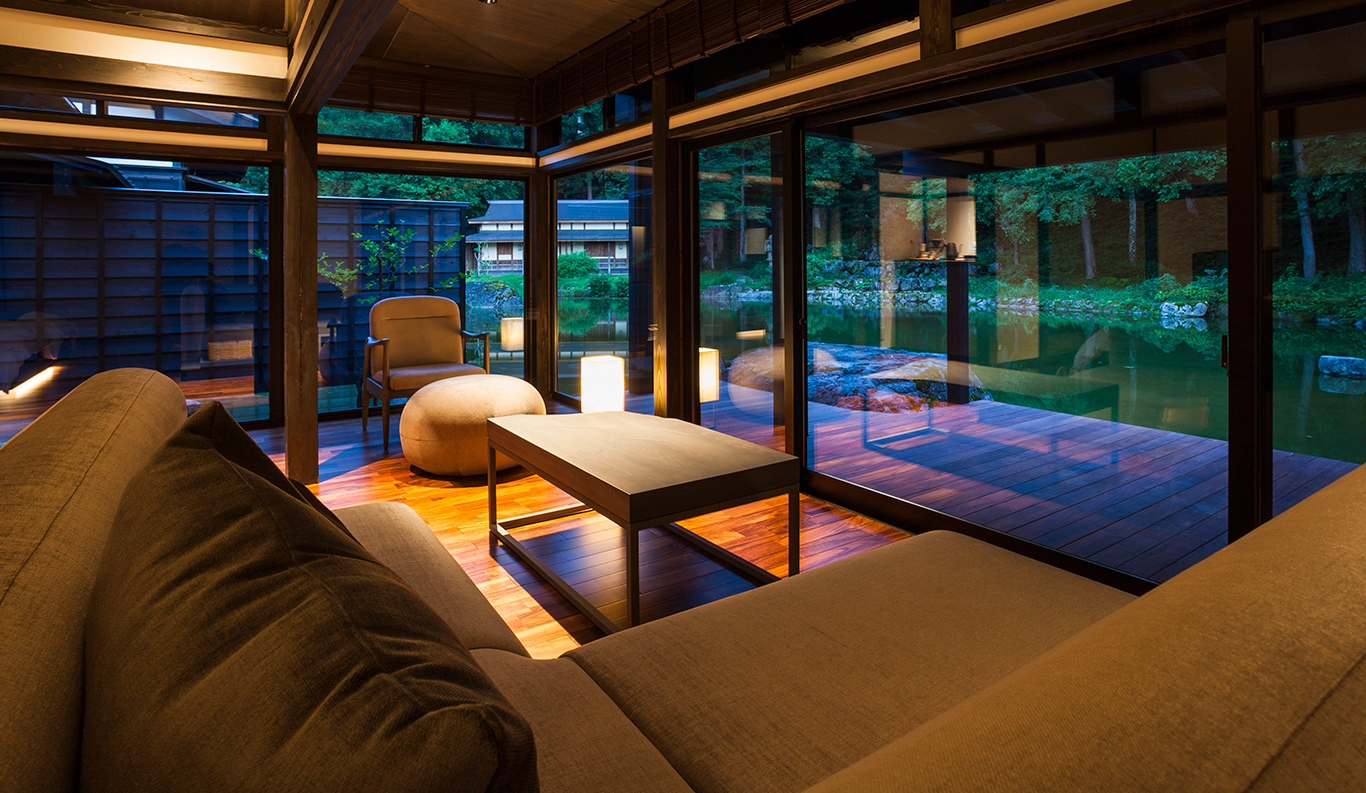
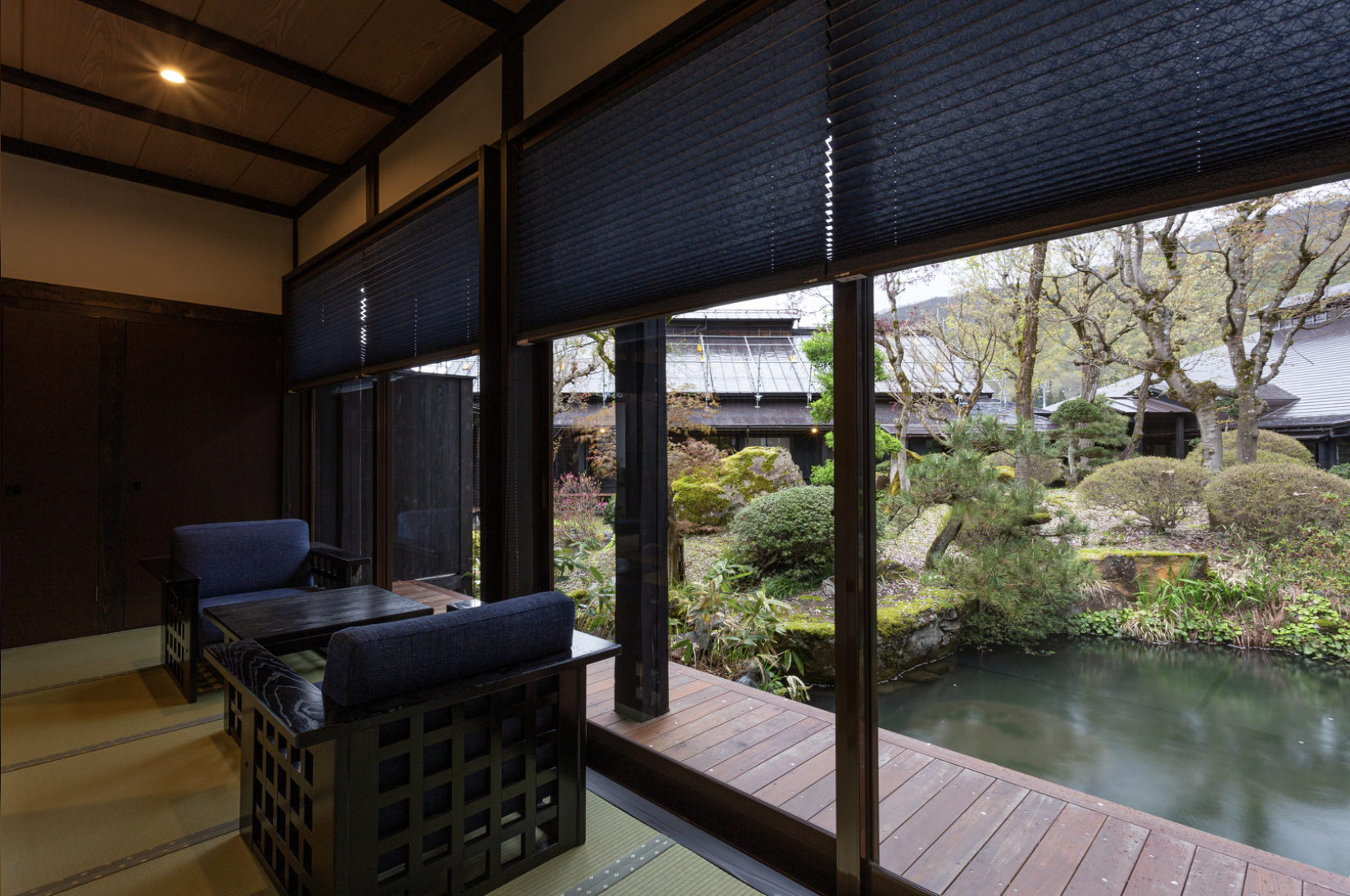
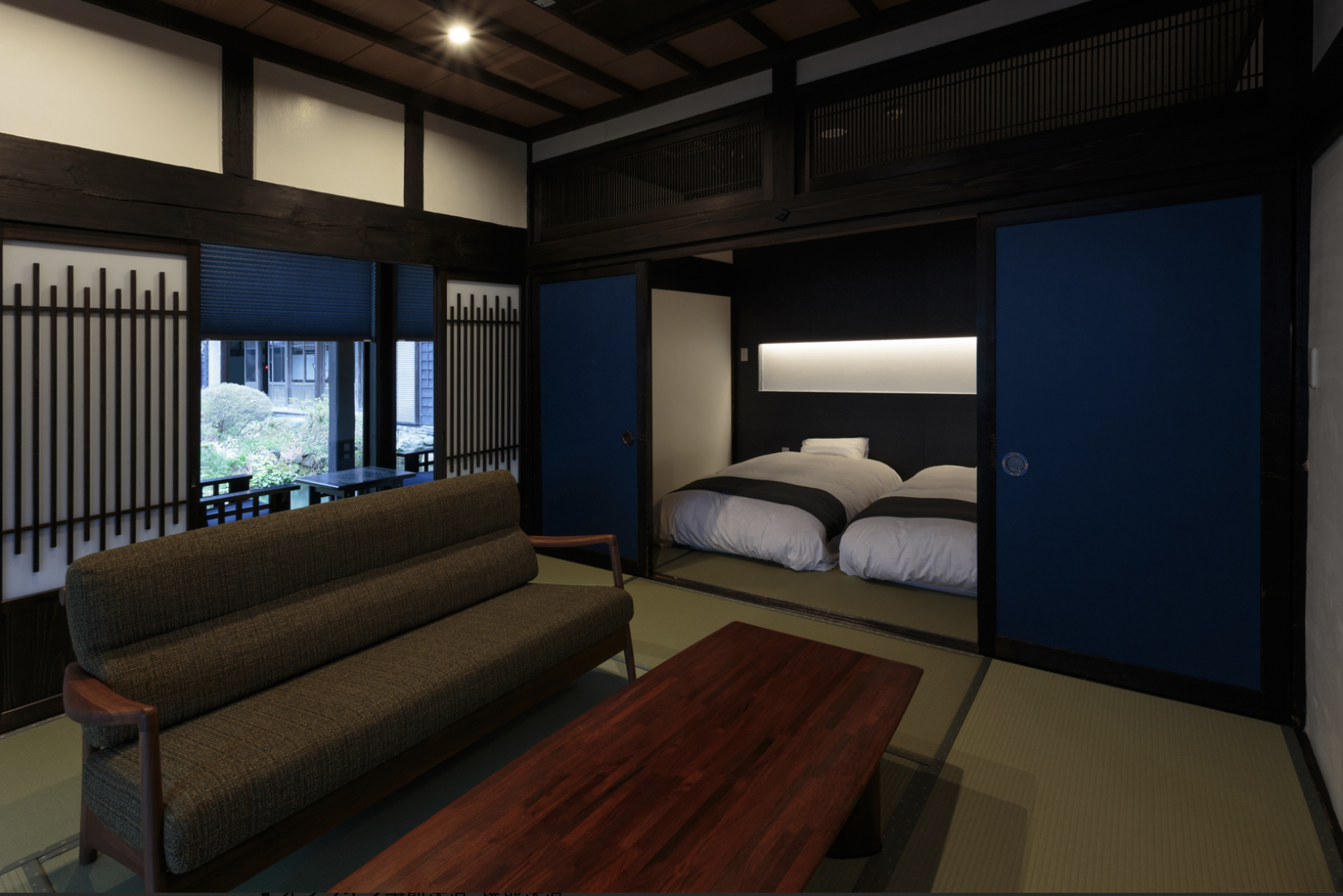
1-4 75 sqm Private Open-air Bath Bed Part of a 2019 extension into the sprawling Japanese-style pond and garden, the spacious villa suites (75-92m²) are connected to the original building via an open-air passage. While the chic gray-toned interior has a modern flavor, the suites maintain the all-important requirement in traditional Japanese architecture of connection to nature through a private deck with open-air bath facing the garden. Classic elements like earthen walls and wooden transoms join modern luxuries like heated flooring for an atmosphere of serene comfort. Overstuffed sofas and lounge chairs with plump ottomans hand-crafted by environmentally conscious Youbi Furniture provide ample space for relaxing and socializing, while a kitchenette with thoughtful touches like fair trade coffee beans and a hand mill ensure you needn't even venture out for a fresh cup of coffee. ¥ 49,620~ per person (based on double occupancy) *Room rates at the Ryokan vary depending on the season and booking status. Therefore, we provide an estimated amount as a reference. REQUEST THIS ROOM -
VILLA
Villa Suite Standard
1-4 55 sqm Private Open-air Bath Bed The standard villa suite still has the same exclusive location, serene comfort, and eco-conscious design of the premium class villas, as well as their distinctive blend of traditional and modern architecture, at a slightly smaller size (55-78m²). Views from the private veranda and open-air bath are not as expansive but still open onto the Japanese-style pond and garden, providing the opportunity to slip directly from the warmth of the room into heated thermal spring waters. As with the premium class, the villa suite is outfitted with custom hand-made furniture from Youbi and luxurious touches like fair-trade coffee beans and fresh milk for superb private relaxation. ¥ 43,020~ per person (based on double occupancy) *Room rates at the Ryokan vary depending on the season and booking status. Therefore, we provide an estimated amount as a reference. REQUEST THIS ROOM -
ROOM
CLASSIC Premium
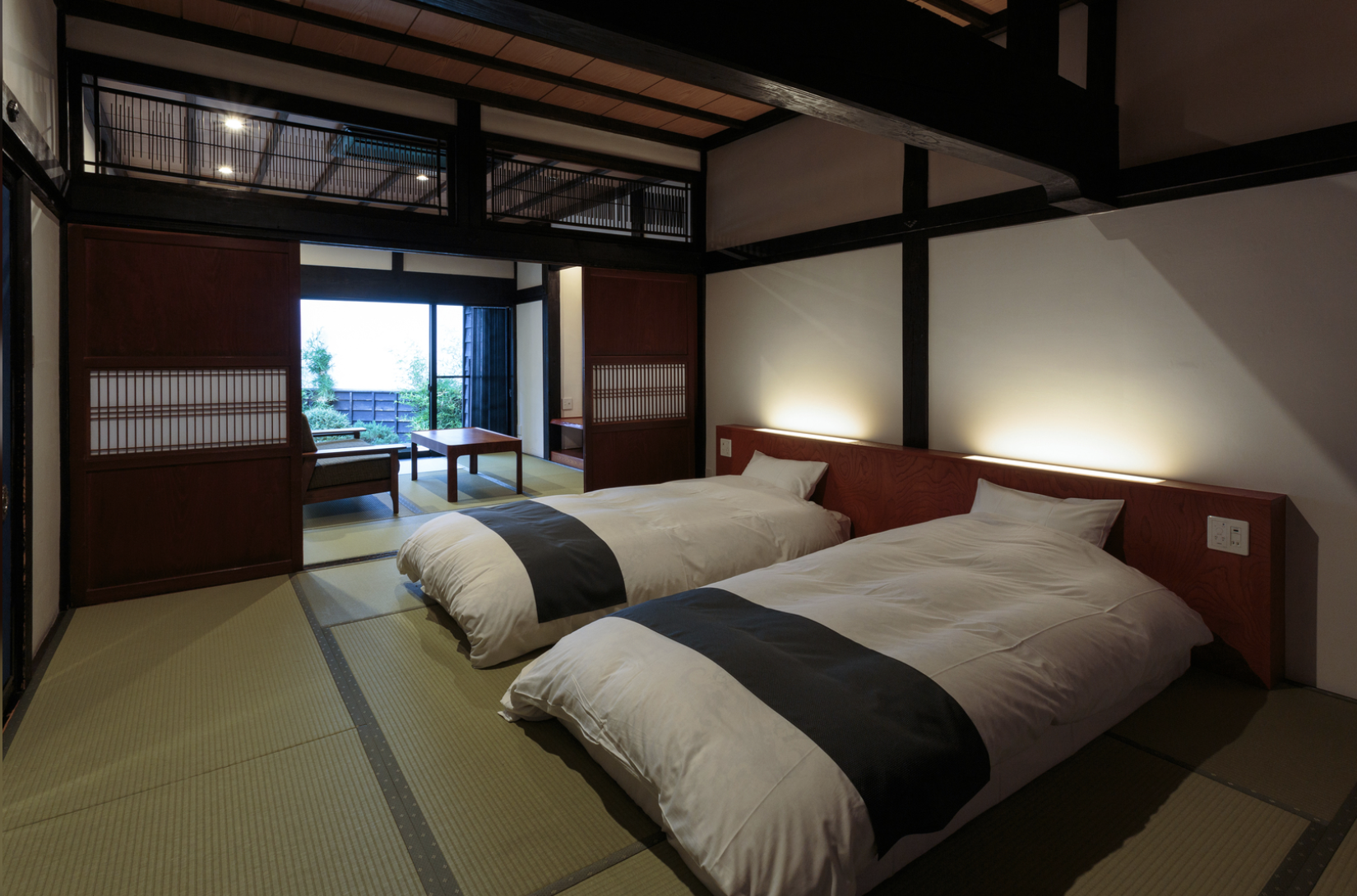
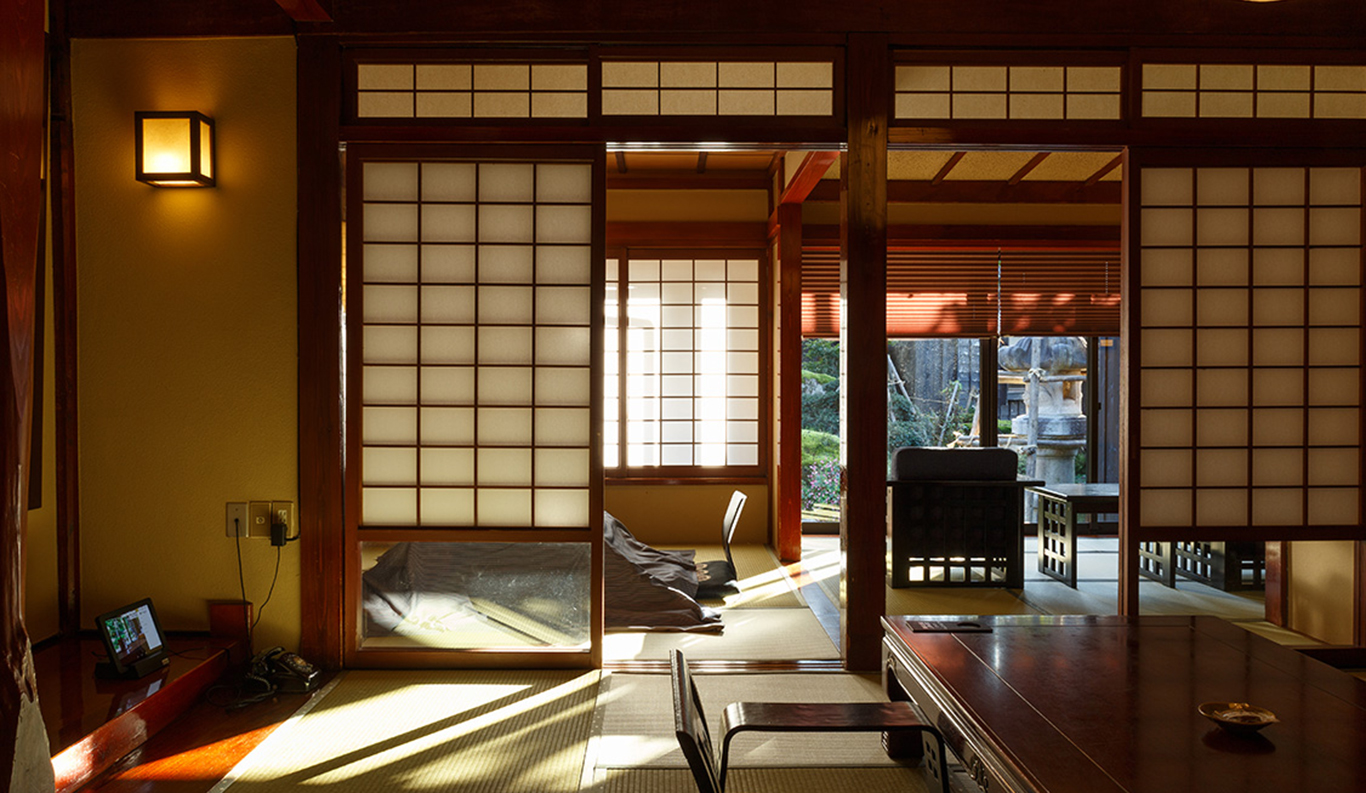
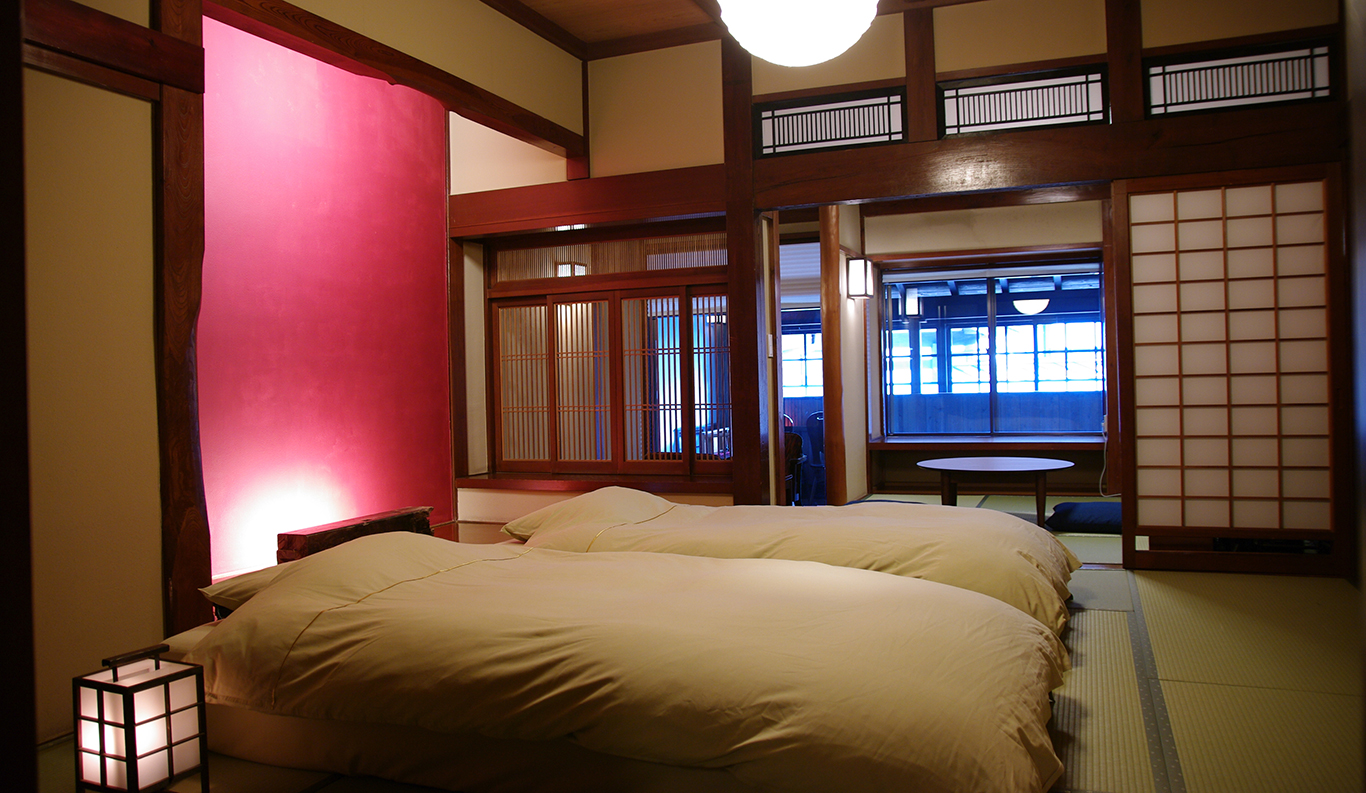
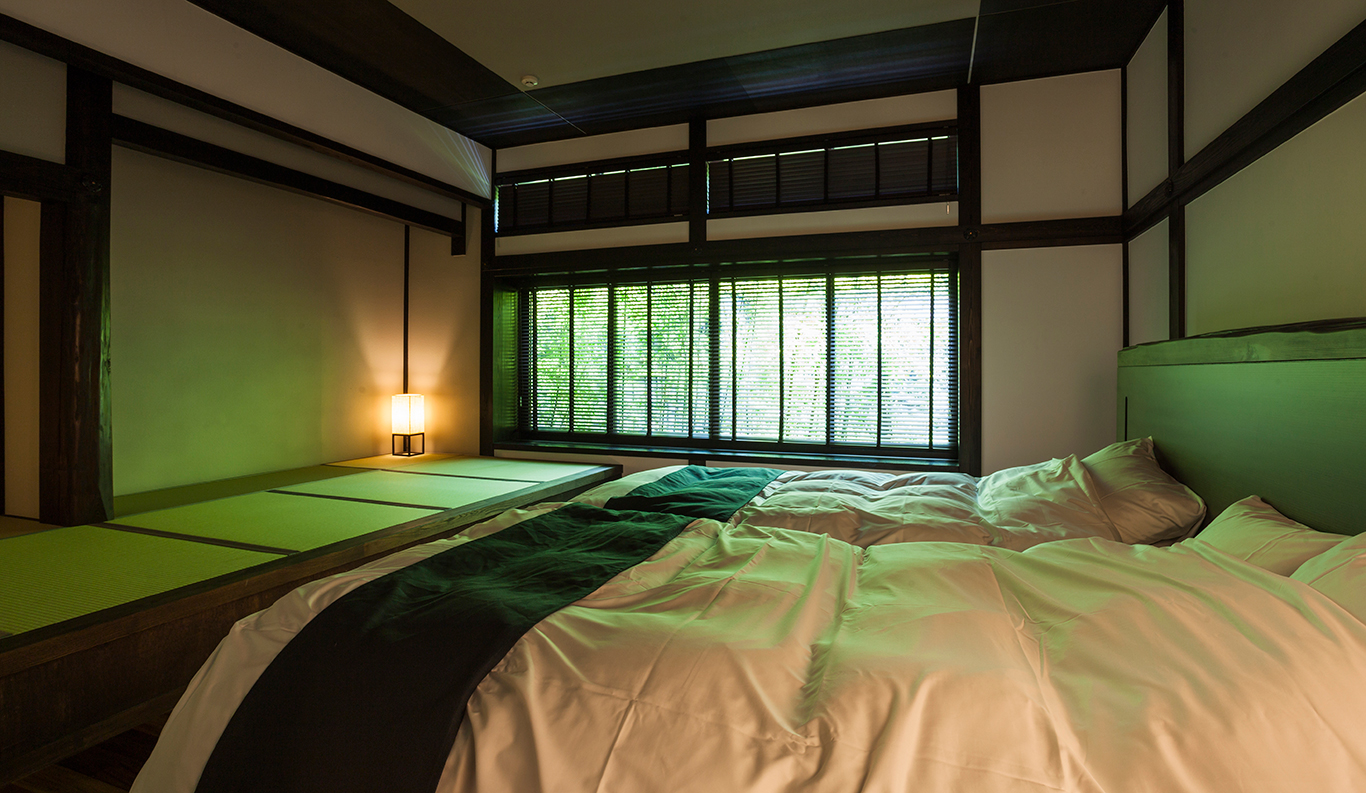
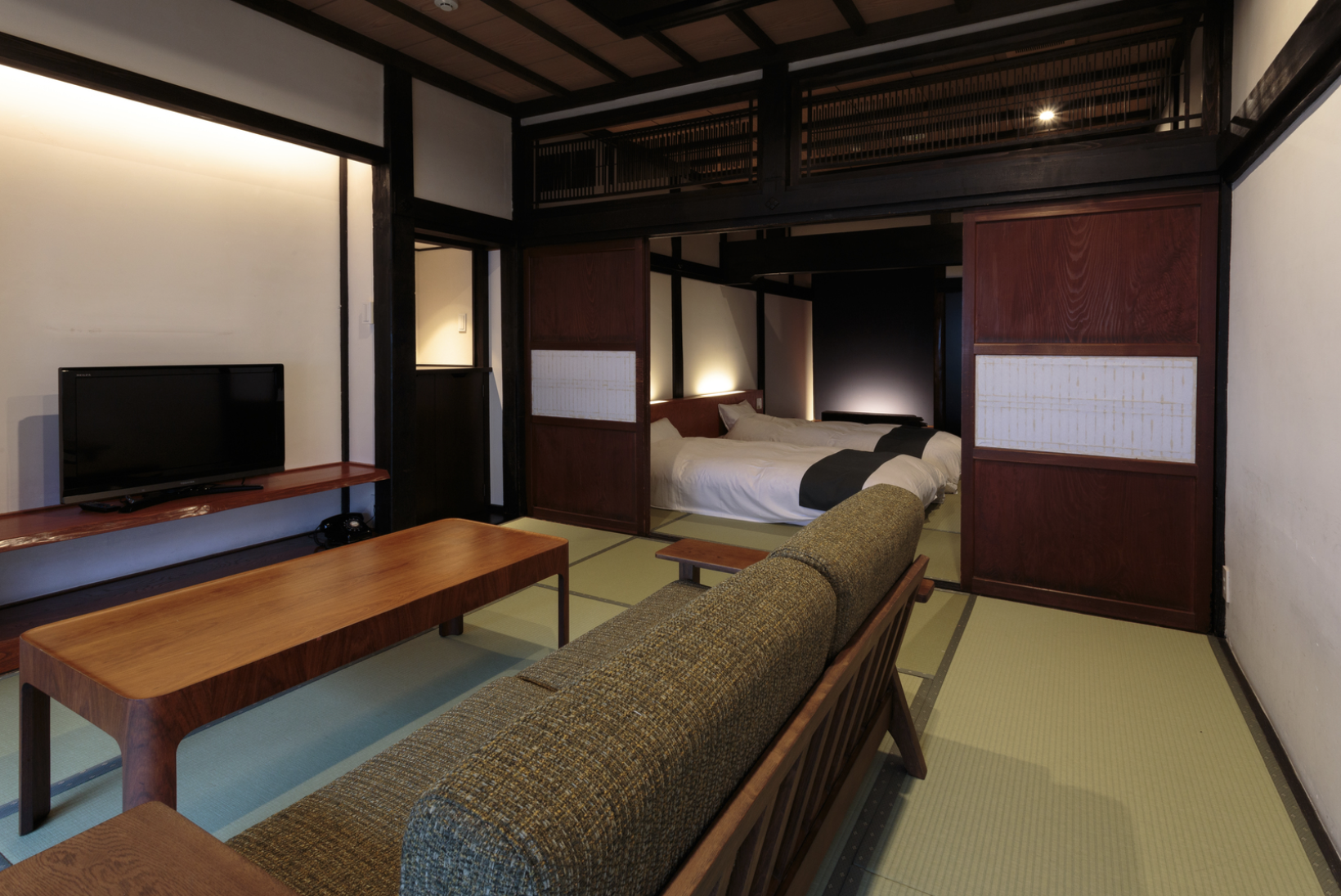
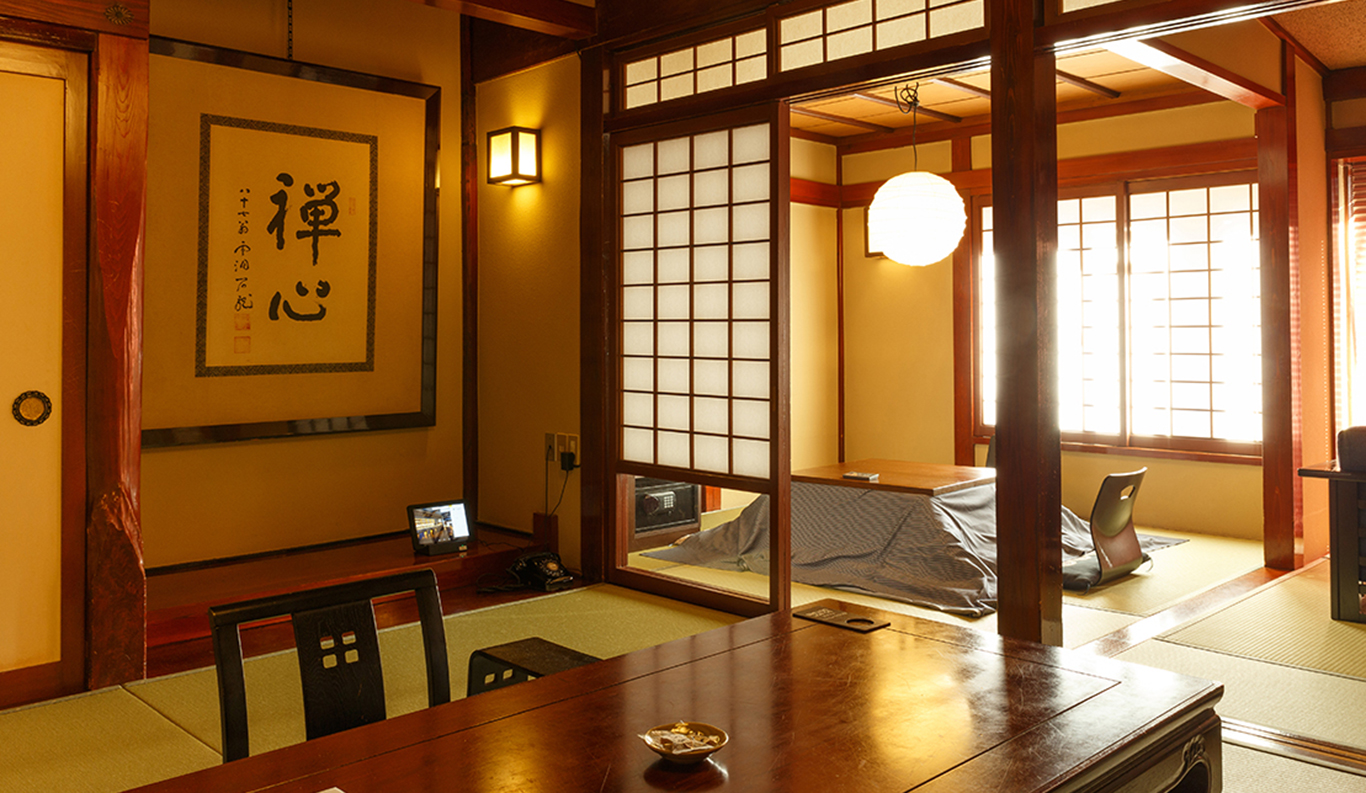
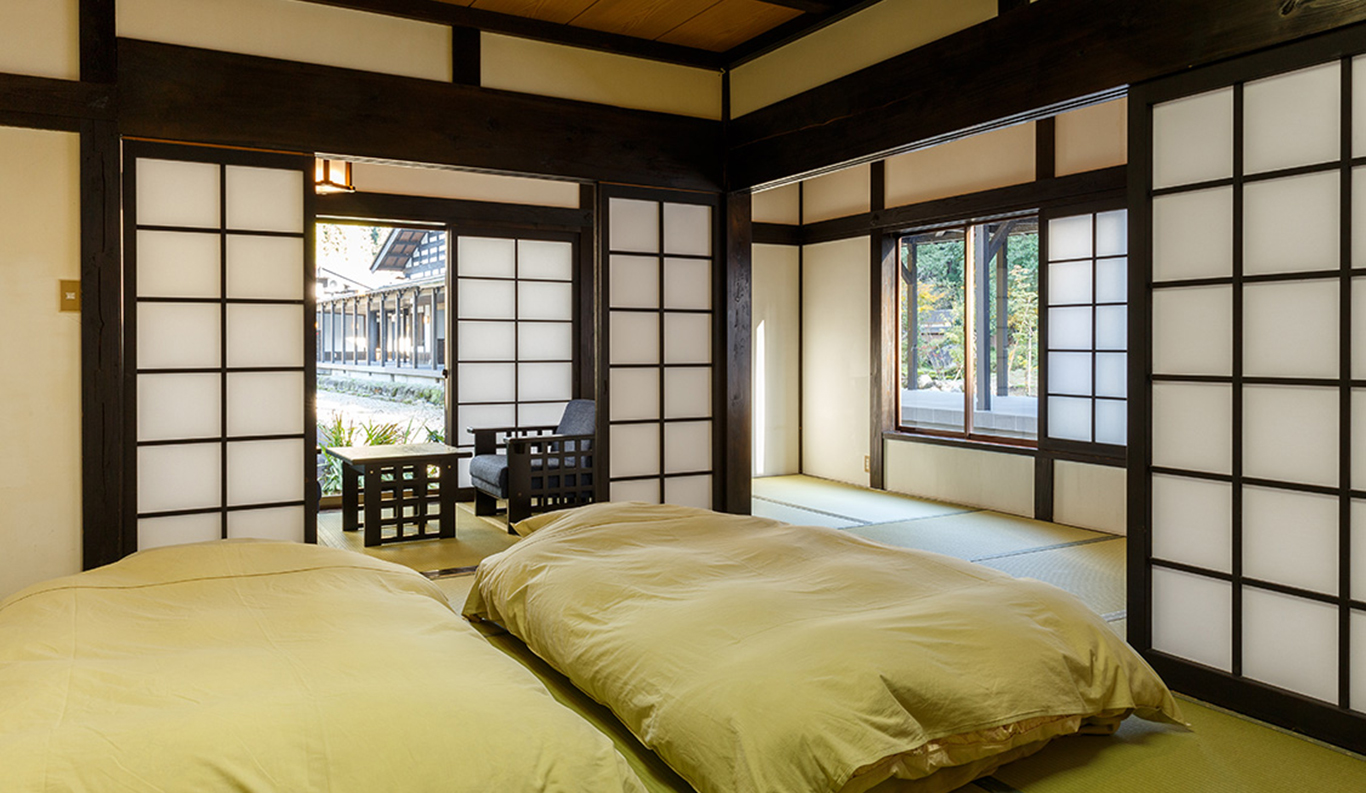
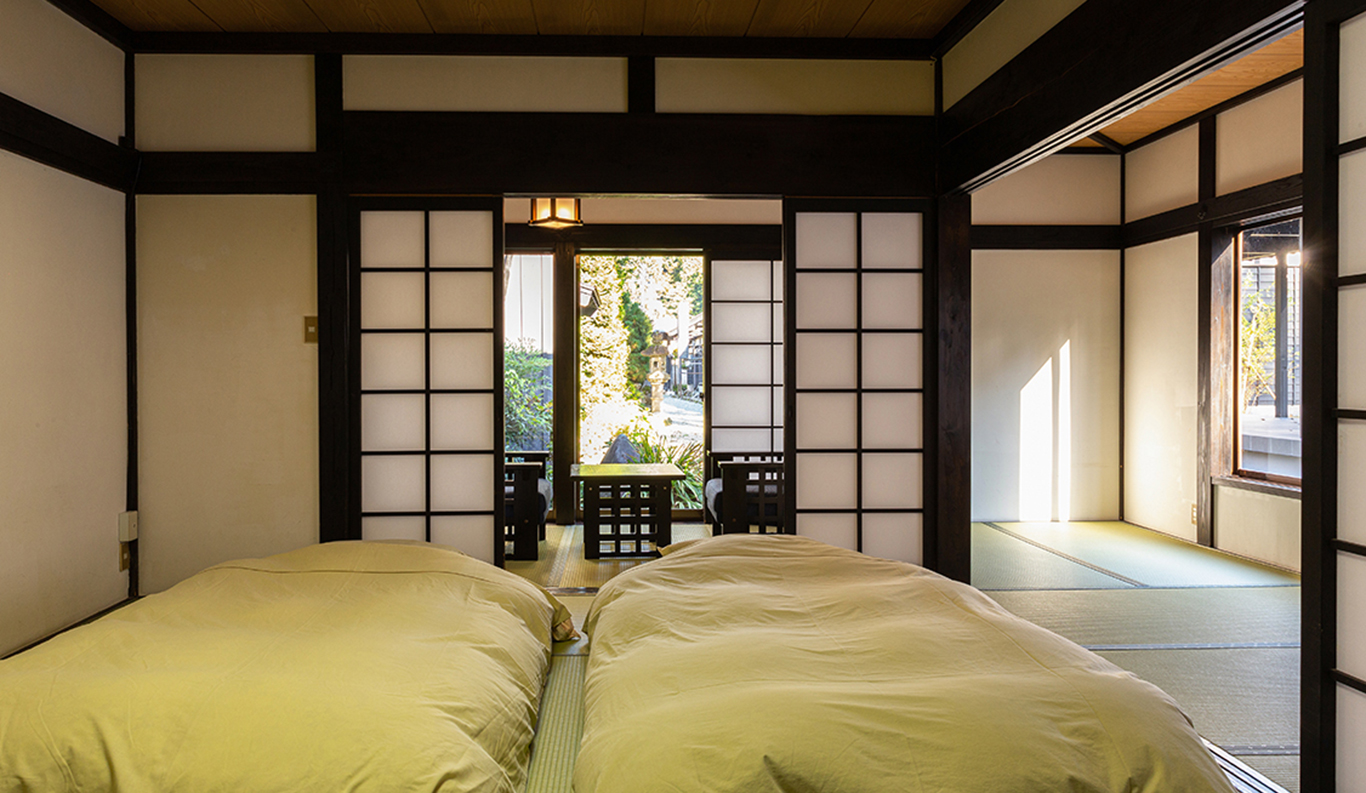
1-4 48 sqm Private Open-air Bath Bed (Low-Bed) Classic rooms in the main building offer a more traditional ryokan experience. The deluxe class offers two Japanese-style rooms for separate sleeping and relaxing areas and views on the garden. Low beds are used rather than the traditional futon mats for guest comfort. Charming touches from bygone days like a glossy old rotary telephone or antique calligraphy scrolls written by a priest from nearby Untouan Temple add a particularly nostalgic atmosphere. Room 106 has a deck overlooking the garden. ¥ 35,320~ per person (based on double occupancy) *Room rates at the Ryokan vary depending on the season and booking status. Therefore, we provide an estimated amount as a reference. REQUEST THIS ROOM -
ROOM
CLASSIC Standard A
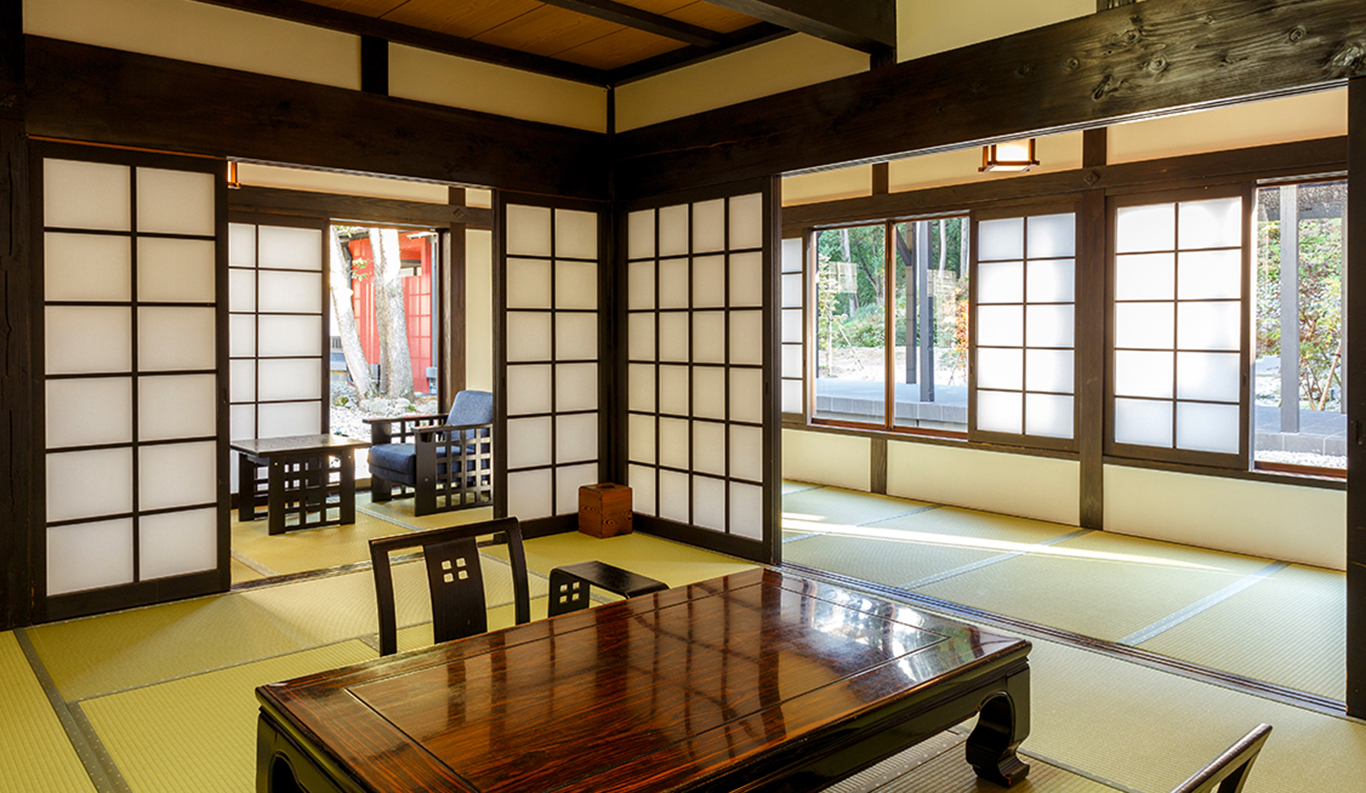
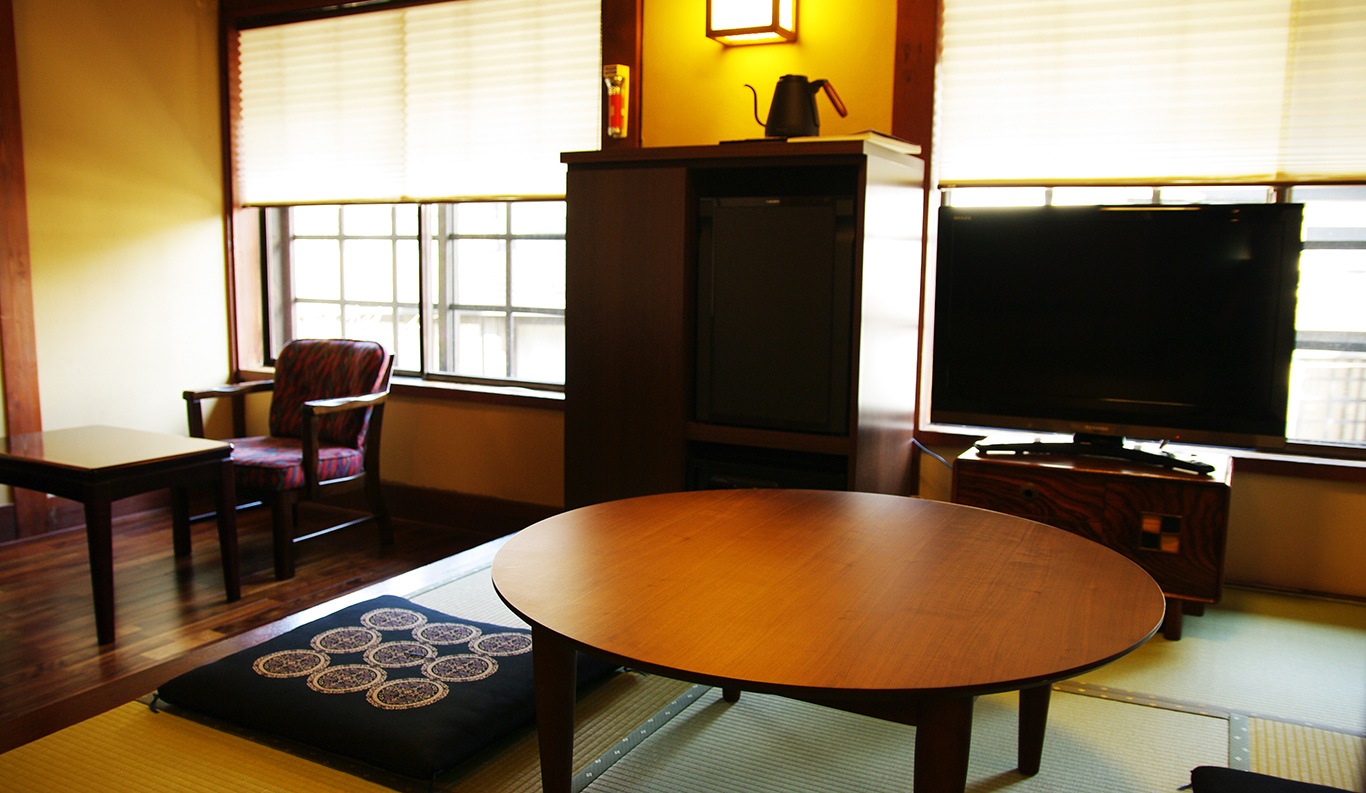
1-4 44 sqm Indoor Bath Bed (Low-Bed) Classic rooms in the main building offer a more traditional ryokan experience. The standard rooms are characterized by classic elements like sliding shoji doors, sections of tatami flooring, and recessed tokanoma alcoves for displaying artworks. The layout of each is unique, with floor plans ranging from 43 to 60m². Many of the rooms in this class have a Japanese-style enclosed veranda called an engawa, equipped with a heated table known as a kotatsu. Enjoying a cup of tea with your legs tucked under the kotatsu's toasty skirt is a uniquely Japanese pleasure. Other rooms have a small open-air deck where guests can enjoy a natural breeze in warmer months. ¥ 27,620~ per person (based on double occupancy) *Room rates at the Ryokan vary depending on the season and booking status. Therefore, we provide an estimated amount as a reference. REQUEST THIS ROOM -
ROOM
CLASSIC Standard B
1-4 40 sqm Indoor Bath Bed (Low-Bed) Classic rooms in the main building offer a more traditional ryokan experience. The standard rooms are characterized by classic elements like sliding shoji doors, sections of tatami flooring, and recessed tokanoma alcoves for displaying artworks. The layout of each is unique, with floor plans ranging from 43 to 60m². Many of the rooms in this class have a Japanese-style enclosed veranda called an engawa, equipped with a heated table known as a kotatsu. Enjoying a cup of tea with your legs tucked under the kotatsu's toasty skirt is a uniquely Japanese pleasure. Other rooms have a small open-air deck where guests can enjoy a natural breeze in warmer months. ¥ 24,320~ per person (based on double occupancy) *Room rates at the Ryokan vary depending on the season and booking status. Therefore, we provide an estimated amount as a reference. REQUEST THIS ROOM -
ROOM
CLASSIC Standard C
1-4 43 sqm Indoor Bath Bed (Low-Bed) Classic rooms in the main building offer a more traditional ryokan experience. The standard rooms are characterized by classic elements like sliding shoji doors, sections of tatami flooring, and recessed tokanoma alcoves for displaying artworks. The layout of each is unique, with floor plans ranging from 43 to 60m². Many of the rooms in this class have a Japanese-style enclosed veranda called an engawa, equipped with a heated table known as a kotatsu. Enjoying a cup of tea with your legs tucked under the kotatsu's toasty skirt is a uniquely Japanese pleasure. Other rooms have a small open-air deck where guests can enjoy a natural breeze in warmer months. ¥ 24,320~ per person (based on double occupancy) *Room rates at the Ryokan vary depending on the season and booking status. Therefore, we provide an estimated amount as a reference. REQUEST THIS ROOM




FACILITIES &
SERVICES
-
Dining Room
-
Cuisine
-
Wood-fire Cooking Experience
-
Irori Lounge and Garden Terrace
-
Bar
-
Spa
-
ryugon cafe


-
Dining Room
The main dining room is a pleasing blend of clean modern lines and old-fashioned touches full of figurative and literal warmth. An iron stove burns aromatic zelkova and other local wood, beating back any hint of a chill from the garden-view window occupying the opposite wall. A massive hearth sits in the center of the floor, ideal for cooking meat and fish on skewers in traditional tateyaki style. Simple black wood tables and low grey upholstered chairs keep focus on the vibrant beauty of the food while providing a subtle contrast to the snowscape of the winter garden. Private rooms are also available for a more intimate experience.
-
Cuisine
This is an undiscovered gem of destination dining. For those ready to venture beyond the rigid formalism of kaiseki and the well-known populist delights of sushi and ramen, ryugon offers the novel experience of a distinctly Japanese cuisine deeply rooted in the local culture. Defined by the blessings of nature and techniques of preservation handed down through the generations, meals in Snow Country are full of wild greens and mushrooms with no English name, the unexpected sweetness of root vegetables preserved under snow, seafood pulled that morning from the cold waters of the Sea of Japan, and the ever-satisfying finish of hot Koshihikari rice.
-
Wood-fire Cooking Experience
ryugon has preserved the detached kitchen from the original farmhouse as a space for guests to experience local gastronomy workshops, offering them a unique chance not only to learn simple recipes to prepare the healthy natural bounty of Snow Country, but also to chat with born-and-bred locals about food culture in Niigata and share a freshly cooked meal together. The spacious kitchen still uses an old-fashioned wood-fired stove and is festooned with food being preserved in time-honored ways, from vegetables pickling in massive jars to fish and game being strung from the rafters to cure in the dry winter air.
-
Irori Lounge and Garden Terrace
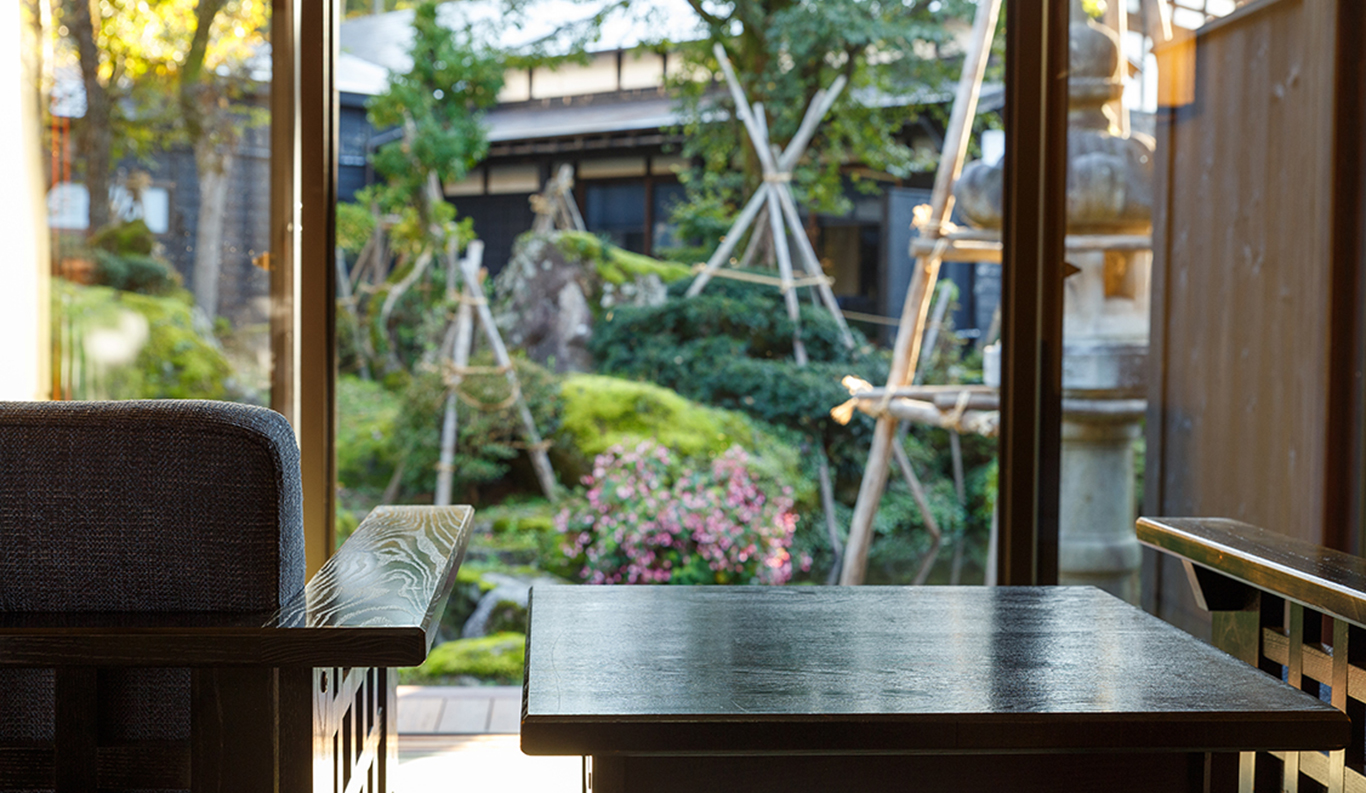
This beautiful common space is open for guests to use at any time, including before check-in and after check-out. On one side, complimentary drinks and snacks are spread out around a toasty irori, a traditional sunken hearth where charcoal smolders invitingly. Fresh-baked bread awaits in the morning, cookies with tea and coffee in the afternoon. And in the evening, a homemade plum wine makes the perfect aperitif. On the opposite side, plush high-backed sofas face the sprawling Japanese-style pond and garden, providing both superb views and a private space for a romantic tête-à-tête. On Saturday evenings, guests can enjoy a live shamisen performance.
-
Bar
Between the Irori Lounge and the Garden Terrace is a chic blond wood bar, where guests can perch on a comfortable stool and chat with a friendly bartender who is warmly passionate about the rich local beverage offerings. In Snow Country, delicious sake is a given, since pure snowmelt water and some of the finest rice in the country provide ideal raw materials, but there are also excellent Niigata craft beers and wines. And for those who would like to wade into the world of Japan's other national drink, there's regional shochu, either on its own or used to create original ryugon infusions with produce like yuzu citrus, green tea, and quince.
-
Spa
Housed in the storerooms of the old farmstead and located at the far corner of the property, this intimate spa contains just one treatment room for a blissfully quiet and totally private wellness experience. Tucked behind the original heavy sliding door, the thick-walled space once would have protected stores of tea and other foodstuffs. The spa nods to that by offering facial and body treatments using products from Themae Paris, luxury French cosmetics derived from tea leaves and full of skin-preserving antioxidants and polyphenol micronutrients. Couple's treatments are also available.
-
ryugon cafe
The café is next to the earthen floored space on your left as you come through the entrance gate to ryugon. The cafe offers onsen- coffee made by hot spring water and patissier’s handmade pastries during the day. Enjoy the luxurious cafe time.


Experience


Map &
Transportation
| Closest Train Station | Muikamachi Station | |
|---|---|---|
| Closest Bus Station | N/A | |
| Free pick-up service | Yes | |
| Complimentary transfer from/to HATAGO ISEN in front of Echigoyuzawa Station (30min) / Reservation Required. Depart HATAGO-Isen at 15:15 and 17:15 / Reservation Required | ||
Key Gate Way Int'l Airport and Train (Shinkansen) Station
Movie
Ryokan Data
| Area | Minamiuonuma / 南魚沼 |
|---|---|
| Name of Ryokan | ryugon / ryugon |
| Address | 1-6 Sakado, Minami-Uonuma, Niigata 949-6611 〒949-6611 新潟県南魚沼市坂戸1-6 |
| Total Number of Rooms | 29 room(s) |
| Check-in Time | 15:00 |
| Check-Out Time | 12:00 |
| Credit Card | Yes |
Meals
| Dinner Start Time | 17:30 / 19:30 |
|---|---|
| Breakfast Start Time | 7:30 - 10:00 |
| In Room Dining Available | No |
| Bar | |
| Special Dietary Arrangements | YES |
| Vegan Friendly | Yes |
| Western Breakfast Available | YES |
Other Facilities & Services
| Communal Bath | Yes |
|---|---|
| Family Bath | No |
| Private indoor bath in room | Yes |
| Private open-air bath in the room | Yes |
Room Rates
| Room Type | Minimum Rate (JPY) |
|---|---|
| Villa Suite Terrace | JPY55,550~ |
| Villa Suite Premium | JPY49,620~ |
| Villa Suite Standard | JPY43,020~ |
| CLASSIC Premium | JPY35,320~ |
| CLASSIC Standard A | JPY27,620~ |
| CLASSIC Standard B | JPY24,320~ |
| CLASSIC Standard C | JPY24,320~ |
** The room rate is per person per night when 2 adults stay in one room. **
- The rate will change depending on the number of guests and dates. Please contact us for details.
- Ryokan rate includes a full-course dinner, breakfast, service charge, and tax.
- The mentioned rates and service are available only for LRC Members who book through The Ryokan Collection's website.
- The rates are subject to change without any prior notice.
- A particular room cannot be guaranteed in advance unless otherwise stated by The Ryokan Collection.
- The rate will change depending on the number of guests and dates. Please contact us for details.
- Ryokan rate includes a full-course dinner, breakfast, service charge, and tax.
- The mentioned rates and service are available only for LRC Members who book through The Ryokan Collection's website.
- The rates are subject to change without any prior notice.
- A particular room cannot be guaranteed in advance unless otherwise stated by The Ryokan Collection.